How do you stay connected to nature when fall schedules start filling up? Fall brings cooler weather, changing leaves, bird migration, harvest traditions, and some of the year’s best opportunities to spend time outside. The challenge is protecting that time as work, school, and family responsibilities return.
Staying outdoors doesn’t have to mean planning a major adventure. Morning walks, gardening, horseback riding, apple picking, pumpkin patches, neighborhood parks, and time around a fire can all keep nature part of everyday family life. Scheduling outdoor time, keeping outings close to home, and combining nature with routines you already have can make those connections easier to maintain throughout a busy fall.
What does it take to hold on to your time outside once the calendar fills back up?
Fall is one of the most beautiful seasons to be outdoors. This is the season of the harvest. All over the country, families head to the pick-your-own orchards and the pumpkin patches, the cider mills and the corn mazes, the county fairs and the farm stands piled high with squash. Here in Northern California, the vineyards come alive, and wine country fills its weekends with harvest activities.
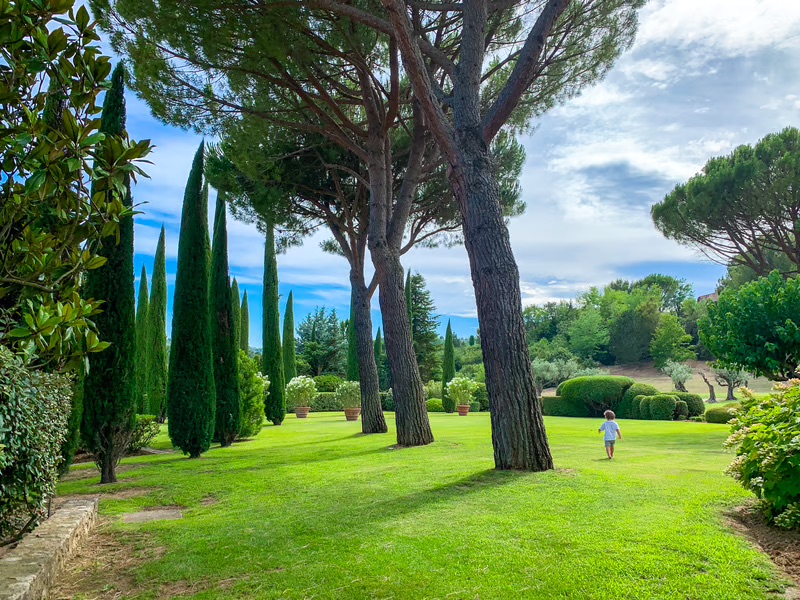
I feel the turn every year. My mornings with Boogie start early, but the sun comes up later now, and the air carries that particular fall smell. The tomatoes in my yard are winding down, and the first leaves in the neighborhood have begun to turn at their edges. It’s a gorgeous time to be outside.
The catch is everything else. Fall is also when the rest of life comes roaring back. School starts. Work picks up after the slower summer stretch. The calendar that had a little breathing room in July fills in week by week, until the daylight for a walk seems to vanish behind meetings, homework, and carpool lines. Getting outside, which came so easily a month ago, now takes real intention. That’s the true work of the season: protecting the time for something the whole family loves, right when life is competing hardest for it.
I’ve felt that squeeze every autumn of my working life, and here’s what I’ve learned. The season rewards you generously for the effort it takes to show up. The good news is that a little intention can go a long way. Here are a handful of ways to keep nature close when the calendar insists there’s no room.
How Can You Enjoy the Season at Its Peak?
While our schedules fill up, the world outside is putting on its best show of the year. One of the year’s great migrations is happening right over our heads. Billions of birds are on the move across North America every autumn, most of them flying at night, following the stars and the Earth’s magnetic pull toward their wintering grounds.
You can actually watch it happen. The researchers at BirdCast publish live migration forecasts that show you how many birds took flight over your county the night before. On a strong September night, the numbers run into the millions. Step outside near dusk, look up, and you will witness one of the oldest rhythms in nature.
On the ground, the season is turning too. This year, fall arrives with the autumnal equinox on September 22, the moment when day and night sit in near-perfect balance before the dark half of the year takes over. After that, the color comes. In the northern states and the high country, the Old Farmer’s Almanac’s fall foliage forecast has peak color arriving in late September and rolling south and downhill through October. The aspens in the Rockies go gold. The maples in New England blaze red and orange. Even here in Northern California, the low afternoon sun warms everything to gold, making an ordinary walk feel like a gift.
And the weather, in my opinion, is the best it gets. The heavy heat breaks. The trails that were dusty and crowded during the summer months have room to breathe again. A hike that would have left you wrung out in August becomes a pleasure in September, cool enough for a long sleeve in the morning and warm enough to shed it by noon. This is prime time to be outside, all the more reason to guard a few hours for it.
The color is also a fine reason to travel. Fall is one of the great road trip seasons in this country. A drive through the mountains at peak color, a weekend in a national park after the summer crowds have thinned, an afternoon at a cider mill or a working farm. You don’t have to go far. A short drive to higher ground where the leaves have already turned can feel like a small adventure, and it gives the whole family something to look forward to.
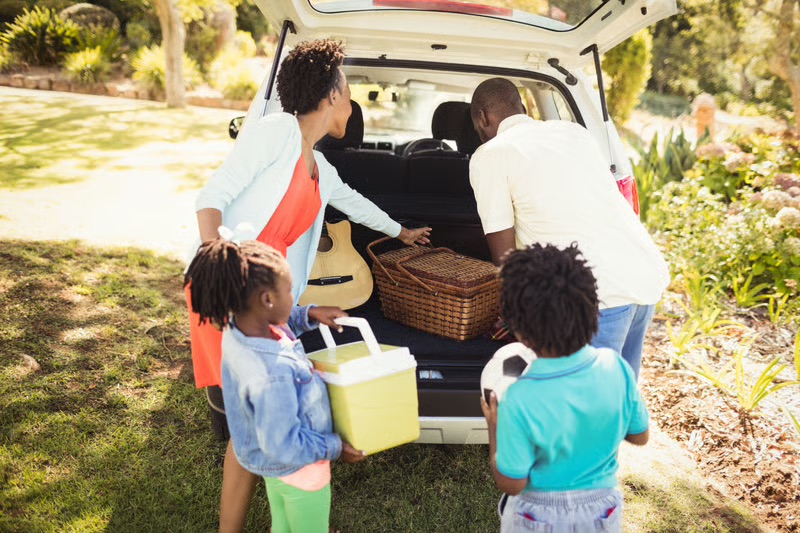
If you can get to a national park this fall, do it. The light is softer, the crowds are thinner, and many parks are at their most beautiful once the summer rush fades. A number of public lands even waive their entrance fees on select fall days, so a big day out can cost you nothing but the gas to get there. Pack a lunch, bring people you love, and give yourself the whole day.
Why Has Fall Always Been a Season of Gathering?
“For a lot of our families, the fall harvest has always been a time to come together on the land. On my father’s ranch in Lake County, the end of the growing season meant the garden gave up the last of its abundance all at once, and the work of harvesting, canning, and preserving the harvest was shared. People came by. There was always something on the stove and something coming off the grill. The labor of the season and the joy of the season were one and the same.”
That pattern runs deep in Black American life, in the country and the city alike. It took shape on Southern farms, where it’s still going strong today, and it traveled north and west with the Great Migration, taking new form on city blocks and in neighborhood kitchens. In both places, autumn still means harvest gatherings and church homecomings, produce shared from a farm, backyard, or community garden plot, and the kind of neighborly work that feeds people through the winter and knits them together at the same time.
Whether folks gather in a farmhouse kitchen or a city apartment, these are major occasions, the way a community takes care of itself and celebrates itself in the same breath. When I talk about nature heritage, this is a big part of what I mean. The seasonal rhythms of gathering and stewardship are an inheritance, carried across generations and across every place we’ve called home.
The feel of my childhood autumns has stayed with me. The smell of woodsmoke and piles of damp fallen leaves under trees, preparing for rest. The sound of the adults talking and laughing into the evening, while we kids ran ourselves ragged riding bikes and running to the rhythm of pick-up games in the cooling air. A table that never seemed to empty. Nothing about it was fancy, and all of it was rich. That’s the version of fall I want more families to have, and it begins the moment you decide to make time for the season.
What Are My Favorite Ways to Meet the Fall?
We all have our own ways of welcoming the fall. Here are a few of mine.
I keep walking, every morning, no matter what the sky is doing. There’s a particular pleasure in watching one tree on your regular route change a little more each day. That slow attention is its own reward. Boogie and I have our usual loop around our sleepy neighborhood, and in the fall, it becomes a kind of daily field report on what the season is doing close to home.
I get in the saddle. Late-summer heat can make riding a chore for both horse and rider. Fall changes that. Some of my best hours in the saddle come in September and October, when the air is crisp, and the light goes long and golden in the late afternoon.
“There’s nothing like riding as the season turns, the ground firm underfoot, the smell of drying grass and turning leaves in the air, the horse’s ears swiveling at every rustle in the brush. If you’ve ever thought about learning to ride, the cooler months are a forgiving time to start, easier on the horse and easier on the beginner.”
I make the most of what the season gives. The jam I put up in the warmer months is already cooked down and shared with friends. But fall has its own harvest to tend. My backyard chickens are still doing their work, although egg production is tapering down; the garden greens are coming into their prime, and the farm stands are heavy with squash, root vegetables, and apples ready for baking pies. There’s a satisfying, unhurried labor to ready the kitchen for the colder months. The chickens, the greens, the last of the tomatoes: tending it all is a small daily pleasure.
How Can You Get In on the Fall Harvest?
The fall harvest is the easiest invitation of the season to accept, and there are a hundred ways in. Take the children in your life to a you-pick orchard and let them fill a bag with apples. Walk the rows of a pumpkin patch until you find the perfect one. Spend a Saturday at a farm stand or a harvest festival. If you live near wine country, as I do, the fall harvest turns the whole region into a bustling, colorful celebration. These are traditions local families have kept for generations, and they come around again every fall, welcoming you to join in.
If you keep a garden of your own, fall is also one of the best times to plant. Cool-season crops love the shorter days and the chill that’s coming. According to the Farmers’ Almanac, September is the window for putting in beets, carrots, turnips, kale, spinach, and other greens across much of the country, working backward from your area’s first frost date. Some of these vegetables taste better after a light freeze. My grandmother’s generation knew that collards touched by frost turn sweeter, and they planted accordingly.
This is also garlic season. Cloves you press into the soil in September and October will rest in the ground through the winter and reward you with fat bulbs next summer. There’s a lesson in that kind of planting. You do the work now for a harvest you won’t see for months. That’s faith, worked out with your hands in the dirt.
“Getting into the garden in the fall keeps you outside, keeps you moving, and keeps you connected to the turning of the year in a way a grocery store never will. It’s outdoor time that happens to feed you at the end of it.”
What Fall Rituals Are Worth Keeping?
Beyond the farm and the orchard, the season hands us a whole calendar of small traditions worth holding on to. Pull up a chair around a fire pit when the evening turns cool and let the conversation stretch long past dark. Let the kids crunch down a whole sidewalk of fallen leaves on the way home. Sit on the porch with a warm jacket and a cup of a warm beverage to watch a storm move through. These are outdoor experiences too, every bit as real as a summit or a long trail.
Even football season is an invitation outdoors if you let it be. A tailgate, a sideline on a Saturday morning, a game of catch in the yard while dinner cooks. My point is simple. Outdoor life in the fall doesn’t require a grand plan or special equipment. It asks only that you keep saying yes to the season, in whatever form it shows up on your street.
How Do You Protect the Time When Life Gets Full?
Knowing the season is glorious and actually getting out into it are two different things once the calendar tightens. Here’s what helps me and the families I spend time with, hold on to our outdoor time after summer ends.
Put it on the calendar like anything else. The things that survive a busy fall are the things we schedule. A standing Saturday morning walk, a Sunday afternoon at the park, a Wednesday sunset ride. Give your outdoor time a real slot and defend it the way you would any other commitment.
Keep it small and keep it close. You don’t need a free weekend to touch nature. Thirty minutes at a neighborhood park at lunch, a walk around the block after dinner, and a few minutes in the garden before the day starts. Small and frequent beats rare and grand, especially now.
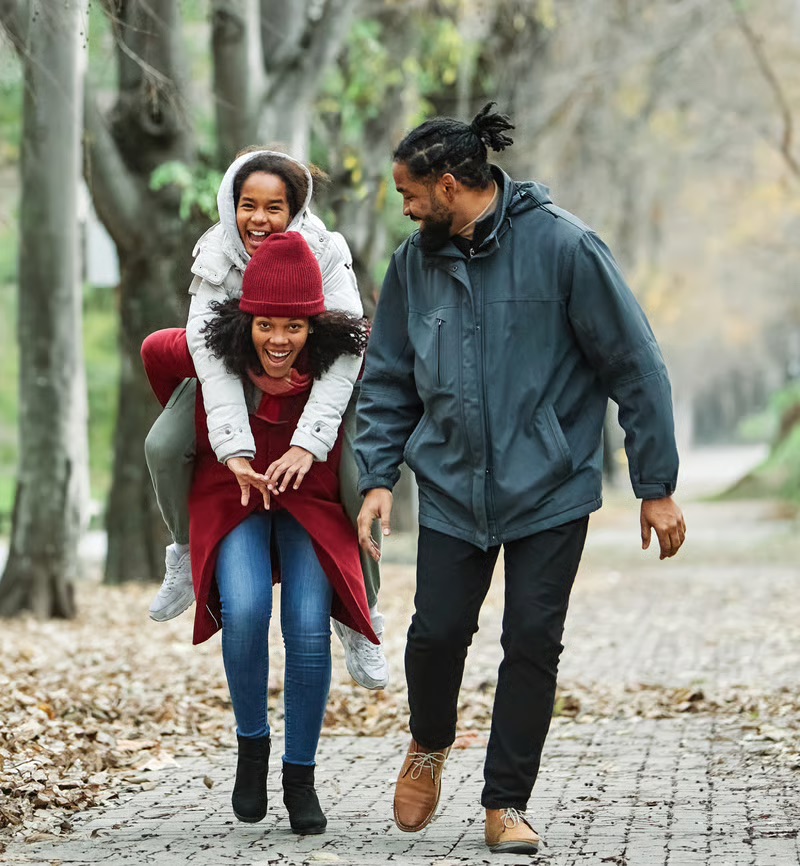
Bundle it with what you already do. Walk the kids to school the long way. Take a phone call outside. Meet a friend on a trail instead of through a screen. The busy season is easier when nature rides along with the rest of your life instead of competing with it.
There’s no such thing as bad weather when you have the right gear. Dressing well for the weather keeps you going. As the mornings cool, an extra warm layer against your skin and a warm pair of socks are the difference between heading out and staying in. Comfort is what keeps the habit alive once the chill arrives.
Do it together. Everything is easier when someone is expecting you. A standing walk with a friend, a weekend outing with the kids, a group hike where nobody gets left behind. Having company turns one more thing on the list into the part of the day you look forward to the most.
Why Is Time Outside Worth Making Room For?
There’s more pulling at us in the fall. The schedule fills back up, the days grow shorter, and the demands on our time return all at once. Some of the best hours I have ever spent outdoors came in these very months, in the cool mornings and the long gold afternoons, carved out around everything else and worth every bit of the effort it took to get there.
So as life crowds back in, hold a little of it back for yourself. Keep the walk. Get out under the migrating birds. Take the kids to the orchard. Ride while the weather is fine. The fall harvest season is here in all its abundance, and there’s room in it for you and everyone you love, as long as we’re willing to make it.
Frequently Asked Questions (FAQs)
1. What are the best outdoor activities to do in the fall?
Fall is an ideal time for hiking, walking, horseback riding, birdwatching, visiting national or state parks, apple picking, and exploring pumpkin patches and harvest festivals. Cooler temperatures and changing foliage can also make familiar neighborhood walks and local parks feel completely different from how they do in summer.
2. How can busy families spend more time outdoors during the fall?
Families can make outdoor time more manageable by scheduling it, keeping outings close to home, and incorporating nature into existing routines. A short after-dinner walk, weekend trip to a local park, or visit to an orchard can help families stay connected to nature even as school, work, and other commitments increase.
3. Why are fall harvest traditions important for families and communities?
Fall harvest traditions create opportunities for families and communities to gather, share food, celebrate the season, and pass knowledge between generations. In Black communities especially, traditions around harvesting, preserving food, gardening, and gathering reflect a much deeper heritage of connection to land, stewardship, and community care.
4. What vegetables can you plant in a fall garden?
Depending on your climate and first frost date, fall gardens can include cool-season vegetables such as kale, spinach, carrots, beets, turnips, and other greens. Fall is also a popular time to plant garlic, which can remain in the ground through winter before being harvested the following year.
5. How can you stay connected to nature when the days get shorter?
Staying connected to nature doesn’t require long trips or hours of free time. Small, consistent rituals, such as a morning walk, gardening before work, taking a phone call outside, meeting a friend at a park, or watching fall migration and changing leaves, can keep nature part of everyday life throughout the season.