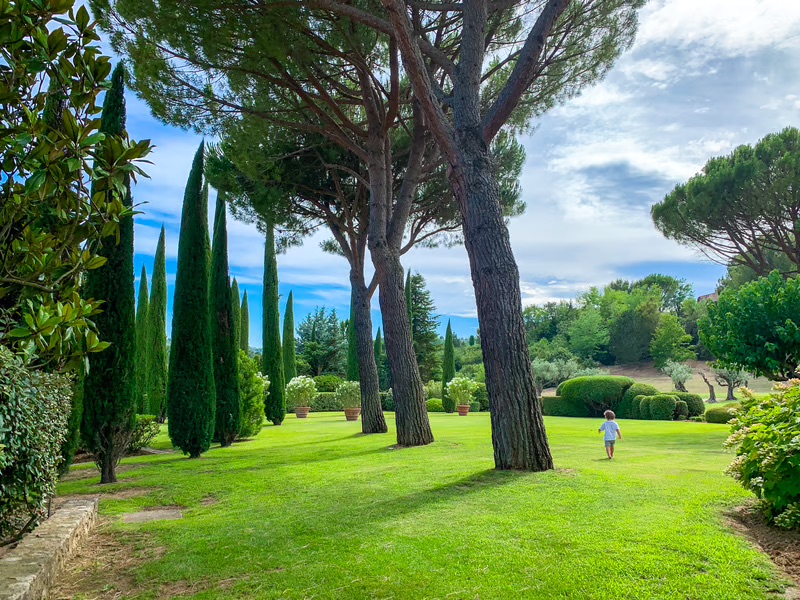
How can spending time outdoors help ease stress and anxiety without requiring major lifestyle changes? What everyday outdoor routines are most effective for reducing stress and anxiety over time? Why does nature offer such a consistent refuge for navigating stress and anxiety in daily life?
This blog explores how the outdoors naturally helps reduce stress and anxiety by shifting perspective, slowing mental noise, and encouraging presence. Through personal reflections on water landscapes, neighborhood walks, animals, and garden rhythms, it shows how calm is often found in familiar outdoor spaces rather than distant destinations. Nature’s steady pace invites the body and mind to settle, offering relief from pressure and a quiet place to reconnect with oneself without expectation or urgency.
It also emphasizes how shared outdoor experiences help families reconnect while easing stress and anxiety together. By stepping outside, distractions fall away, conversations deepen, and simple routines become grounding rituals. The blog highlights nature’s reliability as a constant source of renewal and encourages small, consistent outdoor habits that gradually build resilience, familiarity, and emotional balance over time.
When life feels full, many of us feel an instinctive pull to step outside. Not because we have a plan or a destination in mind, but because something in us knows that changing environments can change how we feel. The outdoors offers a shift that is both simple and immediate. You leave one space and enter another, and that movement alone can soften mental noise.
When life feels demanding, I go outside to reset my perspective. Being outdoors reminds me that not everything requires my immediate attention. Once I’m outside, my breathing slows, and my thoughts settle. I feel more present. The noise quiets enough for me to hear myself again. That shift doesn’t come from effort or intention. It comes from being surrounded by something larger than my to-do list.
Nature has long served as a familiar refuge during times of personal and societal stress and anxiety. It doesn’t ask us to explain what we’re carrying or justify why we need a pause. It simply meets us where we are. That steady availability is part of our nature heritage, passed down through generations who understood that stepping outside could restore balance when life felt heavy.
Landscapes That Invite Calm and Comfort
Not all calming landscapes are far away or dramatic. Often, the places that steady us most are close to home and woven into daily life. Calm doesn’t always arrive through intention. Sometimes it’s discovered through routine.
Water has always brought me a sense of calm. Rivers, lakes, and coastal areas help me slow down and observe rather than react. I discovered many of these places through my work with Outdoor Afro, but over time, they became personal touchstones. Returning to the same landscapes season after season creates familiarity, and familiarity brings peace.
Other grounding places show up in quieter ways. Visiting a local stable and spending time with animals can settle the body without a word being spoken. Tending a garden offers rhythm and repetition that eases the mind. Walking through the neighborhood and noticing familiar details, a tree changing shape through the seasons, and the sound of birds in the morning creates a sense of continuity.
These places remind us that calm isn’t something we chase. It’s something we return to. Learning which landscapes offer steadiness is part of building a personal relationship with place, one rooted in easing stress and anxiety rather than novelty.
How Time Outdoors Helps Families Slow Down and Reconnect
Time outdoors has a way of slowing families down without effort or instruction. When people step outside together, the pace naturally shifts. Distractions fall away. Attention widens.
I’ve seen this with my own family time and again. Outdoors, phones get put away. Conversations stretch out. We move at a pace that allows for noticing and listening. Even short moments outside together create space for connection that feels natural and unforced.
There’s less pressure to perform or produce. No one needs to be efficient. Nature becomes a shared backdrop that encourages presence rather than productivity. These moments don’t require planning or perfection. They happen when families walk together, sit quietly, or share a simple outdoor routine.
Over time, these shared rhythms build trust and ease. They become part of family memory and part of how families learn to move through stress and anxiety, reminders that calm and connection often grow from simple, repeated time spent outdoors together.
What People Often Overlook About Nature’s Calming Power
One of the most overlooked aspects of nature’s calming influence is how accessible it is. Many people assume they need a grand adventure or a distant destination to feel restored. In reality, nature steadies the mind because it operates on rhythms that are older and slower than our schedules.
Nature doesn’t rush, and that’s exactly why it works. Trees don’t hurry through seasons. Water moves at its own pace. Animals respond to their surroundings without urgency. When we spend time within those rhythms, our bodies often follow.
The outdoors also offers a rare judgment-free space. There is no expectation to explain yourself, improve yourself, or arrive as anything other than who you are. You can simply exist alongside a forest, a river, or an animal. That quiet companionship can be grounding during uncertain times.
This relationship, consistent, calm, and available, is deeply connected to how we experience and navigate through stress and anxiety. It reflects an understanding that healing doesn’t always come from doing more. Sometimes it comes from standing still long enough to notice what’s already steady around us.
The Outdoors as a Constant Presence
One of the most reassuring aspects of nature is its reliability. During difficult seasons of life, the outdoors remains. It doesn’t disappear when circumstances change. It doesn’t withdraw when we’re overwhelmed.
That constancy is why people often return to nature during moments of uncertainty or transition. Whether facing personal change, loss, or exhaustion, stepping outside offers a sense of continuity. The same path is still there. The same body of water still moves. The same tree still offers shade.
Knowing that the outdoors is always available is comforting. It reminds us that not everything is in flux. Some things remain steady, regardless of what we’re carrying.
Nature offers companionship without judgment or expression. For me, it is the ultimate equalizer. When you go out into nature, as a human, you don’t have to explain yourself to a forest, a river, or a horse; it’s ultimately this quiet relationship, and it can be especially grounding when you’re navigating stress and anxiety. And we all have seasons of being stressed out and uncertain.
The outdoors is always there for you. No questions asked.
This understanding has been carried forward through generations; this is why outdoor spaces have long served as places of reflection, renewal, and quiet strength.
Gentle Ways to Begin When Feeling Overwhelmed
When someone feels overwhelmed, the idea of adding another activity can feel daunting. The outdoors doesn’t require commitment or performance. It asks only for presence.
If you want to use the outdoors as a natural stress reliever and you’re a little unsure of where to start, I always suggest starting small and staying consistent. Step outside for a few minutes each day. Take a short walk. Sit quietly and observe what’s around you. Pay attention to light, sound, and movement.
Let go of expectations around time, effort, or outcomes. There’s no right way to begin. Nature has a long history of restoring people without conditions.
These small habits build a relationship with the outdoors over time. That relationship becomes a source of steadiness. Over days and seasons, it turns into familiarity. Familiarity turns into comfort.
This gentle approach reflects how stress and anxiety can soften when we allow calm to meet us where we are, again and again, exactly as we are.