What happens when we head outside together? Shared outdoor experiences can turn strangers into friends, strengthen family relationships, and create a deeper sense of belonging. Through Outdoor Afro’s Opening Circle and group outings, people find common ground before they ever step onto the trail, showing how nature can create space for genuine human connection.
That connection can extend across generations and entire communities. Time outdoors creates opportunities to share knowledge, build confidence, support one another, and develop relationships that continue long after an outing ends. The article also connects this experience to a longer tradition of Black families gathering, leading, and building community outdoors.
Have you ever noticed how good company can turn a simple walk into something bigger?
At every Outdoor Afro gathering, before the day’s adventure begins, we form our iconic Opening Circle. People who arrived as strangers stand shoulder to shoulder. We share our names, where we come from, and what we love to do or where we love to be in nature. By the time the circle opens and we set out, whether onto a trail, a kayak, a ski slope, or a garden, we have become a community by helping people quickly find common ground and interests that spark conversation and new connections throughout the experience to follow.
That opening ritual is one of the most important things we do, and we have never once skipped it.
I’ve watched that simple practice do remarkable things. I’ve seen people who came alone leave with people they now count as friends. I’ve seen a first-time hiker who was sure she would turn back after ten minutes finish the whole trail because the woman beside her kept up an easy conversation the entire way. The outdoors gave us the platform. The people gave each other a reason to stay.
There’s a reason we begin every gathering the same way. Opening Circle tells each person that they were seen the moment they arrived. It slows everyone down before an activity speeds them up. It defies stereotypes and confirms how everyone in the circle already carries their own connection to nature. It gives a group of strangers the chance to meet and learn a little about one another before the day begins. I’ve participated in hundreds of these Opening Circles, and I still find them moving every single time.
Why Are We Lonelier Than We Have Ever Been?
This matters more right now than it might seem. In 2023, the U.S. Surgeon General issued a formal advisory on loneliness and isolation, calling it a public health crisis. About half of American adults reported experiencing loneliness, and the toll on the body is real. The report links social disconnection to a higher risk of heart disease, dementia, and depression, on a scale comparable to smoking cigarettes. While digital tools suggest we’re more digitally connected than ever, somehow we can feel more alone.
I’m not surprised, and I don’t think the answer is complicated. Humans are social creatures who need to connect with one another in person, and few settings bring people together as well as time spent outdoors. For most of our history, much of the important business of life took place in the open air and in the company of others. We worked the land alongside one another, hunted and fished together, gathered and celebrated together. The loneliness so many people carry now is, in part, a symptom of being cut off from both of those things at once, from one another and from the natural world.
What Can We Learn From the Places We Built to Be Together?
For generations, Black families have gathered and built community in outdoor spaces. In years when many resorts and parks were closed to us, Black families built their own places to gather in nature, like Idlewild in Michigan and Lincoln Hills in Colorado, and they were glorious. There were resorts and retreats full of music, business, community, and rest. Families returned year after year, generation after generation. Those places proved something we’ve always known: where Black folks gather on the land with good company, joy follows. Outdoor Afro stands in that same long line. We’re contributors to a tradition of gathering outdoors that reaches back well beyond any of us.
Those gathering places were built on skill, enterprise, and industry as much as on joy. Black families ran the inns, managed the gear, prepared comforting foods, played in the bands, and taught the children to swim, fish, and ride. Community outdoors has always meant Black people leading, hosting, and building. That history is the ground Outdoor Afro stands on. When we gather in nature today, we’re continuing the work our families began long before us.
What Happens When We Go Outside Together?
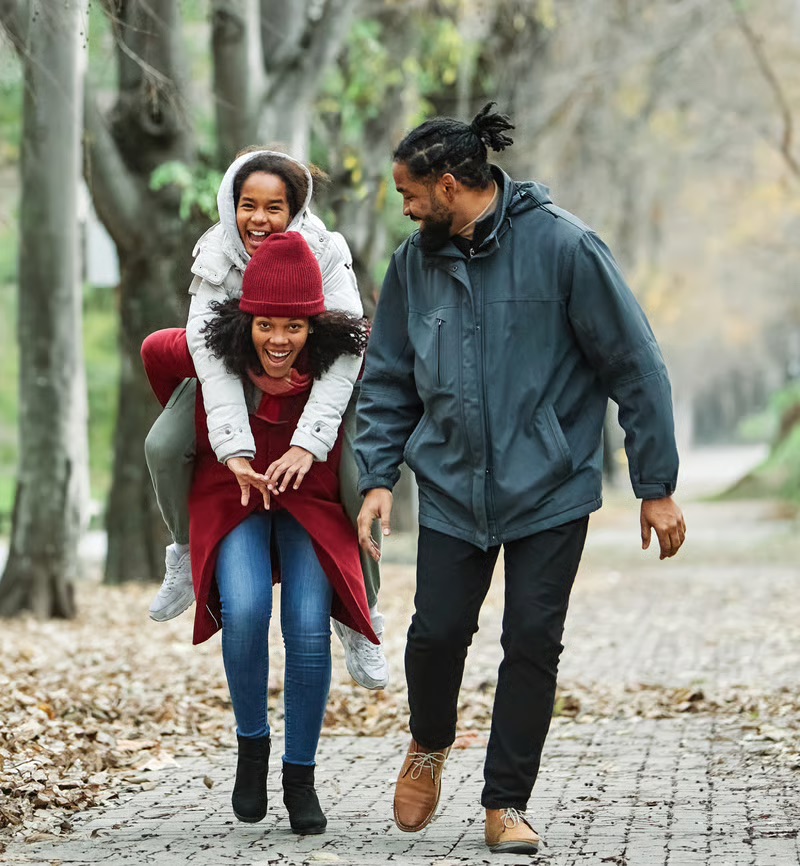
Something about connection comes easily outdoors. Side by side, facing the same direction, moving at the same pace, people relax. The conversation opens up. Being in motion together does some of the talking.
Nature also gives everyone something to share that belongs to no one in particular. A hawk overhead. A view that opens up after a hard climb. The smell of the woods after rain. The hush that falls over a group when a deer steps out of the trees. These are shared gifts, freely given, and sharing them draws people close. I’ve watched more friendships begin over one shared moment of wonder and the trust built in outdoor experiences than I could ever count, and those friendships tend to outlast the ones made anywhere else.
“The outdoors is a generous host. It doesn’t ask about your job title, your income, or whether you own the right gear. A public trail is one of the last truly common spaces we have, open to everybody, held by all of us together. When a group of people from different walks of life stands in a circle at a trailhead, the outdoors meets each of them the same way.”
I’ve come to believe that connection to nature and each other is a skill, like any other, and that it gets easier with practice. The outdoors is a forgiving place to practice it. Low stakes, plenty to look at and talk about, and a shared goal as simple as reaching the overlook and getting back down. Show up enough times, and the skill takes hold and starts to spill over into the rest of your life.
What Happens Where the Generations Meet?
One of the things I love most about a shared outing is who ends up side by side. At an Outdoor Afro event, you might find a grandmother leading the way, a group of friends in their twenties along for the adventure, a teenager showing a younger cousin how it’s done, and a toddler riding on somebody’s shoulders, with every age in between.
“The outdoors is one of the few places left where the generations mix easily and have something real to do together. A child learns to bait a hook from an elder. A grandfather learns something new from a teenager before the day is done. Knowledge moves in both directions, and so does care.”
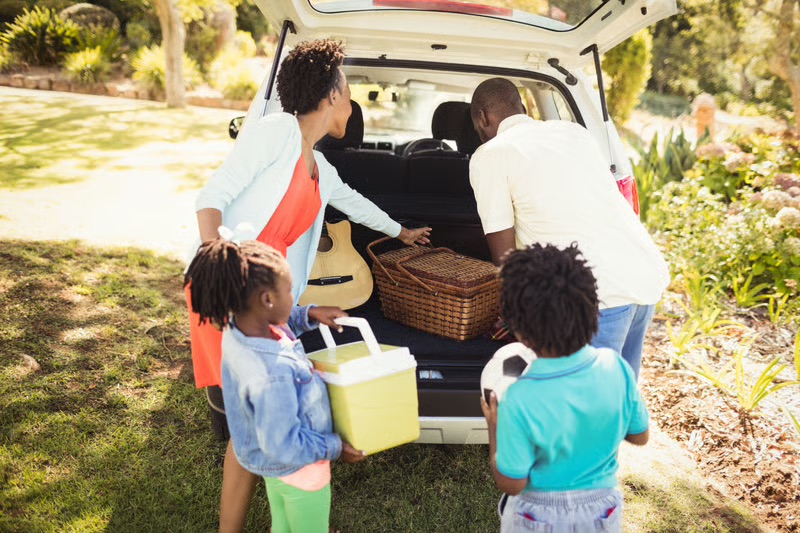
Families feel this, too. Time outside changes the shape of a family day. Phones go into pockets. Everything slows down. Conversations flow more easily when everyone is outside together, side by side. Parents tell me they learn things about their teenagers outdoors that they had been trying to ask about for months. The outdoors gives a family a shared task and a shared calm, and both of those are in short supply at home.
How Does Outdoor Fellowship Ripple Beyond the Experience?
When we started Healing Hikes in 2014, in a season when our communities were carrying a great deal of confusion and grief, I understood something clearly that I had felt my whole life. Nature heals, and it heals even better when we are in it together. People came to those hikes heavy and left lighter, and the lightness didn’t come only from nature. It came from being seen by others who understood, creating space to share, and walking the same ground together at the same time.
That’s the thing about a shared outdoor experience. The best of it is what happens next. It ripples outward beyond the people who showed up. Someone comes on a single outing, gains a little confidence, and before long, they’re bringing their children, their friends, and their neighbors. Some go on to train as Outdoor Afro Volunteers and lead outings on their own.
I think of a woman I once walked with who had not set foot on a trail in decades. She was moving through a hard season, and at the start, she stayed close to me, sure she would have to turn back before the end. Mile by mile, something eased. By the time we finished, she was the one spotting birds in the branches and asking when the next outing would be. Nothing forced that change. It came from steady encouragement, a welcoming group, and the simple act of showing up.
That’s how this works. The confidence people find outdoors rarely stays with them alone. It travels home, into families and neighborhoods, one person at a time.
What Makes National Public Lands Day a Day for Coming Together?
If you’re looking for a place to start, the calendar is about to hand you a good one. The fourth Saturday of every September is National Public Lands Day, and in 2026, it falls on September 26. It’s the largest single-day volunteer effort for the outdoors in the country, and, just as meaningful to me, entrance to national parks and other public lands is free that day.
All across the country, people head out to enjoy the places they love, and many stay to give a little back, tending a trail, planting a tree, and caring for the ground that has given them so much.
I love this day because it holds two things I believe in, and it holds them in the right order. First comes the joy of being in these places: exploring them, resting in them, sharing them with people you love. That’s where everything begins, because none of us will protect what we haven’t first come to love. Stewardship grows out of that affection. Once a place has your heart, giving back to it stops feeling like a chore and starts feeling like caring for your own home. Bring your family. Bring a neighbor. Spend part of the day simply enjoying the land, and part of it, if you like, tending it alongside the people you meet.
If you can’t make it out on the day itself, the spirit of it carries through any weekend of the fall. The first invitation is the easy one: go, and go often. Get to know a park near you well enough that it starts to feel like yours. Take the children in your life to the same trail until they know its turns by heart. And when you’re ready to give back, there are always ways in, a friends-of-the-park group, a community garden, a hand lent where the land needs it.
Loving a place and caring for it turn out to be the same story, told in that order. Either way, you meet your neighbors doing something that matters.
Can the Outdoors Give Us Common Ground in Every Sense?
We’re living through a stretch when it can feel like people can’t agree on anything, and many of us have pulled back into corners with only the folks who already think the way we do.
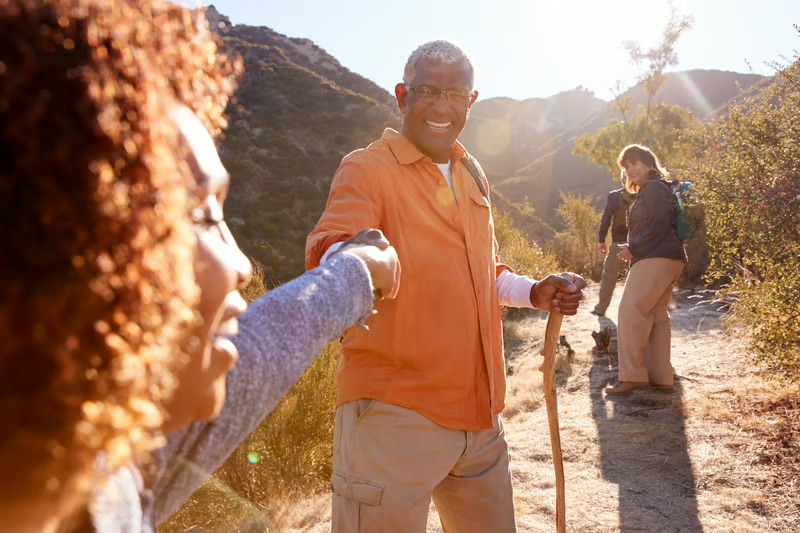
The outdoors offers a way out of that corner. Out on shared public land, the usual dividing lines matter less. The weather is the weather for everybody. The effort is the same for everybody. When you steady a stranger over rough ground or share what’s in your pack when someone runs short, you remember something that’s easy to forget indoors, which is that most people are good company when you give them the chance.
“Nature has long been the ground where a divided people can stand together and be reminded of what they share.”
How Can You Build the Circle Where You Live?
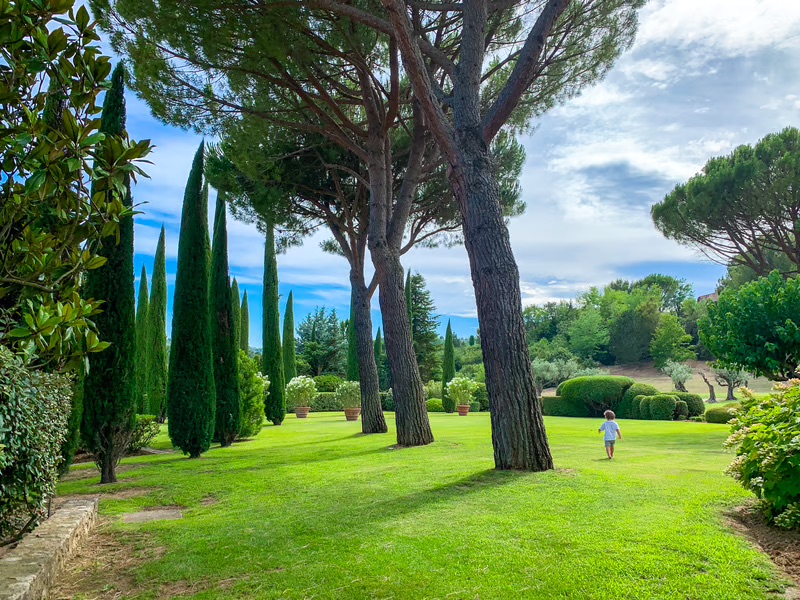
You don’t need a formal program or a special day to do this. The circle can start with you. Invite someone along on your next outing, whatever it is: a walk, a paddle, a morning of fishing, an afternoon in the garden. Turn a solo outing into a standing date with a friend. Take the children in your life to the same park or shoreline often enough that the place becomes theirs. Learn one skill well enough to teach it to somebody else.
And if you would like a hand finding others to get outside with, check out the Outdoor Afro app, where you can find an outing near you and meet fellow nature lovers.
The outdoors has long drawn people together. Our task now is to keep showing up and to keep making room in the circle for one more.
Head outside this fall, and bring somebody with you. Trade a screen for a trail, an hour alone for an hour outside next to a friend, and watch what grows. That’s where community begins, and there’s always space for you in it.
Frequently Asked Questions (FAQs)
1. How does spending time outdoors help build stronger social connections?
Outdoor activities create natural opportunities for people to connect through shared experiences. Walking, hiking, fishing, gardening, or volunteering together can make conversation feel easier, strengthen trust, and help turn acquaintances into meaningful friendships.
2. Can spending time in nature help with loneliness and social isolation?
Spending time in nature with others can offer opportunities for face-to-face connection, shared activities, and a stronger sense of belonging. Group outdoor experiences can be especially valuable because they combine the restorative qualities of nature with the benefits of community and companionship.
3. Why is outdoor recreation important for Black communities?
Outdoor recreation has deep roots in Black history and culture. From historic gathering places such as Idlewild and Lincoln Hills to today’s community outings, Black families have long used outdoor spaces for recreation, fellowship, healing, leadership, and intergenerational connection.
4. What is National Public Lands Day, and how can you participate?
National Public Lands Day is an annual celebration and volunteer event focused on enjoying and caring for America’s public lands. People can participate by visiting public lands, joining local stewardship projects, volunteering on trails, planting trees, or simply spending the day outside with family and friends.
5. How can I find outdoor groups and activities in my community?
Start by looking for local hiking groups, community gardens, conservation organizations, public-land volunteer programs, and organized outdoor events. The Outdoor Afro app also helps people find local outings and connect with others who are interested in hiking, paddling, fishing, gardening, and other outdoor activities.