How did Black families turn the simple act of “going somewhere” into a lasting tradition of connection, resilience, and joy? This article explores the rich history of Black summer travel—from family road trips and reunions to iconic destinations like Idlewild—and shows how gathering in nature has long been a way to strengthen community, preserve heritage, and create lifelong memories.
Drawing on personal stories, historical examples, and the work of Outdoor Afro, the article invites readers to embrace the tradition of summer travel with fresh purpose. Whether it’s visiting culturally significant places, exploring state or national parks, or simply packing the car and heading toward somewhere meaningful, the message is clear: the road has always been part of Black history, and it remains an invitation to reconnect with family, community, and the outdoors.
Some of my most vivid summer memories start in the back seat of a car heading north out of Oakland. We were almost always on our way to the ranch, and the signs that a trip was coming had been building for days: my mother making lists, my father checking the truck, the cooler appearing on the kitchen floor. This was how summer worked in my family: you loaded up and went somewhere. These trips were at the heart of some of my most favorite family traditions.
Not far, in the grand scheme of things. The family ranch in Lake County was about two and a half hours north of Oakland, up through valleys that turned golden in the summer heat, past fruit stands with handwritten signs, past oak woodlands, and the turnoff that every one of us in the back seat recognized on instinct before anyone said a word. Big Oak. My family’s ranch. Fourteen acres of walnut and oak trees and a lifetime of family traditions, gatherings, and memories.
“My father, A.C. Levias, was a Black man from the Jim Crow South who came to California and built something remarkable from determination and craft. The ranch was his vision: a place where family and community could gather, where the land was tended with care, and where there was always room for more people than seemed practical. He treated every gathering as an occasion worth rising to.”
Summer gatherings at the ranch were full productions. Extended family came. Neighbors came. People from church came. Children swam in the pool until our fingers pruned or ran between the English walnut trees until someone called us in. Adults stayed up talking, playing cards or dominoes, while we kids took to the porch to share songs and secrets under a twinkling night sky with no clear bedtime. Those summers and family traditions taught me something I still carry: the outdoors is somewhere you go to arrive.
The Long History of Going Somewhere
Black Americans have been loading up and heading out since there were roads to take. The history is richer than most people learn in school. Long before eco-tourism had a name, Black families were mapping their own summer circuits: drives down familiar highways to see relatives, treks to family camps in the mountains and at the shore, and pilgrimages to resort communities that Black entrepreneurs had built specifically because most of the country’s established vacation destinations were closed to them.
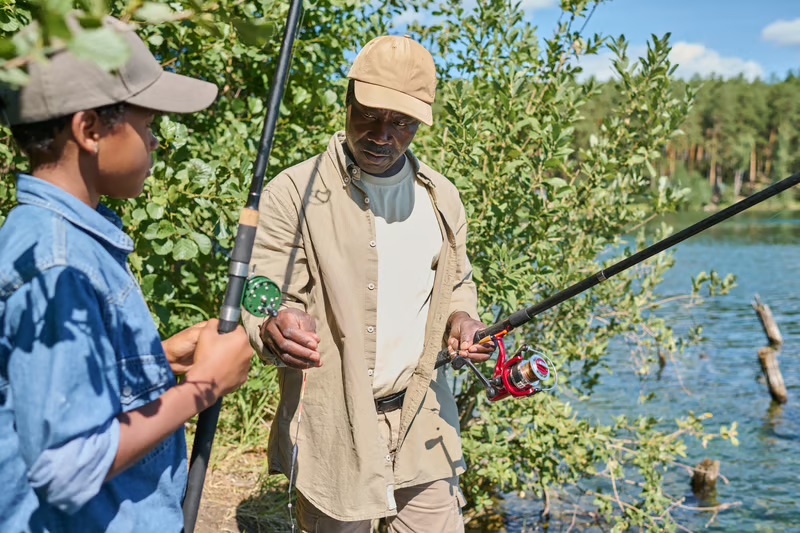
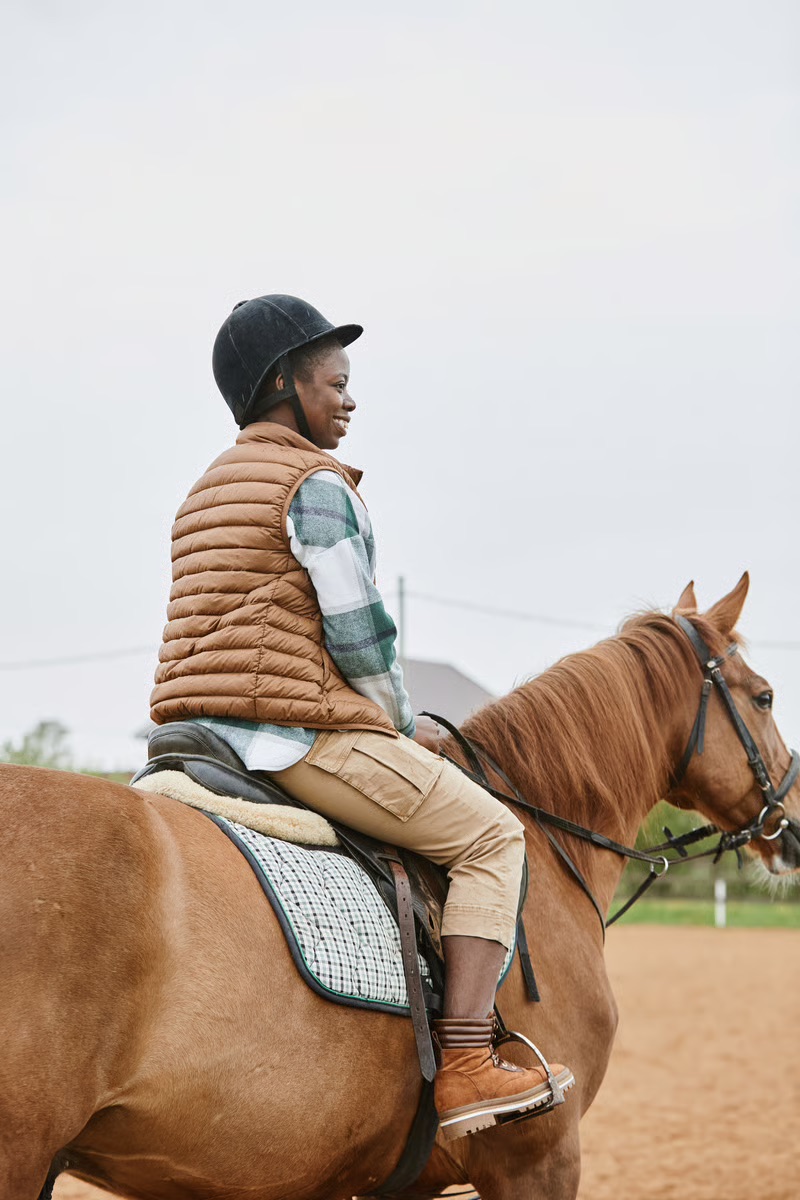
Idlewild, Michigan, was the most famous of these. Founded in the early twentieth century and known across the country as the “Black Eden of Michigan,” it was a resort community in western Michigan where Black families could own property, vacation freely, and gather in the company of people who shared their lives. At its peak in the 1950s, Idlewild drew as many as 25,000 visitors in a single summer season, including Count Basie, Sarah Vaughan, Etta James, and Lionel Hampton. W.E.B. Du Bois bought land there. Madame C.J. Walker was among the early visitors. The community offered swimming, boating, fishing, horseback riding, and evening performances at venues that rivaled anything available elsewhere in the Midwest.
“What made Idlewild matter, above all, was the freedom. Black families could fish, swim, hike, and ride horses without calculating their welcome. Children ran freely. Adults relaxed without guard. Businesses thrived. The community was self-sustaining in a way that required decades of collective investment and intention to build, and it showed in every corner of the place.”
Oak Bluffs on Martha’s Vineyard played a similar role for families on the East Coast. Lincoln Hills in Colorado served generations of Black families from Denver and beyond. Carr’s Beach in Maryland. Highland Beach. Bob White Camp in Michigan. These were the center of Black summer life and family traditions for generations, communities where the outdoor tradition was practiced in full: fishing and camping, cooking outdoors, dancing, gathering, and breathing easy in the warm summer air. Black entrepreneurs ran the inns, outfitters, and restaurants that made these destinations work. Black families built homes and passed them down. The outdoor life was simply life, and travel was how families stayed connected to it.
In my book “Nature Swagger,” the section on homecoming traces how family traditions and reunions in nature have served as a lifeline for Black Americans across generations. After emancipation, family reunions were literal searches: people trying to find relatives separated by enslavement and rebuild kinship bonds that had been torn apart. As the Great Migration moved families north and west, the reunion became even more critical for maintaining bonds across distance. Those gatherings almost always happened outdoors, in parks, at lakesides, and at community-owned destinations that gave Black families somewhere to go in the summer and somewhere to come back to year after year.
This is our heritage. The road trip belongs to us: a practice we refined under conditions that required creativity, resourcefulness, and a genuine talent for finding joy in landscapes that would receive it. The history is long, and it is ours.
The Summer Gathering Tradition
“For Black Americans, summer has always been the season of gathering. The reunions, the drives to see family, the migrations to places that welcomed you when other places did not: these were the fullest expression of regular life itself. Summer was when the year’s work paused long enough for people to be together, in community, in nature, and in the full ease of warm weather and long evenings.”
The outdoor setting was central to all of this. Nature has always been where Black families gathered to fully exhale. Where children learned what water felt like, what it meant to stay up past dark around a fire, and what the night sky looks like far enough from city lights to see it properly. Where the old stories got told, and the new ones started. Where the connection between people and land was renewed across generations, summer after summer, in the places that welcomed them.
The Outdoor Afro community lives out this tradition every summer. Across the United States, our volunteers organize hikes, paddles, camping trips, and community gatherings through the warm months. Every opening circle of an Outdoor Afro event holds something of what I felt at the ranch as a child: the pleasure of gathering in a place that makes room for you, with people who share your sense of what the outdoors is for. What starts as a group of strangers becomes something closer to a pop-up family reunion. The form is old, but the feeling is immediate and real.
Places Worth Finding This Summer
Summer is when the country is most alive with people in motion, and national parks are among the most visited destinations of the season. August is still peak season at most parks, and the National Park Service expanded access for summer 2026 at several high-demand parks while working to manage visitor experience at the busiest sites. Arriving early in the morning or visiting on a weekday makes a real difference in what you experience at the most popular destinations.
Beyond national parks, the summer is a good time to seek out places that carry deep cultural meaning alongside natural beauty.
Idlewild, Michigan, is having a renewal. Community organizations, including two local chambers of commerce and the Idlewild Community Development Corporation, are working to bring new visitors to the town while honoring its extraordinary history. The community that once drew 25,000 Black vacationers in a single summer season is finding its footing again. If you’re within driving distance of Western Michigan, this summer is a meaningful time to make the trip and add your presence to that effort.
The Gullah Geechee Cultural Heritage Corridor stretches along the Atlantic Coast from North Carolina to Florida, and it rewards slow, attentive travel. The communities here have maintained language, foodways, craft traditions, and a relationship with land and water that runs back centuries. Visiting is closer to pilgrimage than tourism. It’s a chance to witness continuity that’s genuinely extraordinary and to support communities working hard to preserve it.
The Florida Black Heritage Trail connects sites across the state with stories worth knowing: Fort Mose in St. Augustine, the site of the first free Black settlement established by the Spanish in 1738; Africatown near Mobile, founded by the last known group of enslaved Africans brought to the United States. These places are open and free to visit, and they deepen any summer road trip that passes through them.
State parks remain one of the country’s best-kept travel secrets. Across the nation, they offer camping, hiking, swimming, and picnicking at a fraction of the cost of comparable national park experiences. They’re often far less crowded, which means more space for your group and more room to move at your own pace. Some of my most powerful outdoor experiences have happened at state parks that most people drive past on their way to somewhere they think is better.
The Network That Makes Travel Better
Many Black families learned to travel from people who had to be resourceful about it. The Green Book, the guide Victor Green published for several decades to help Black travelers find safe accommodations and welcoming businesses, is the most famous document of that era. But the real archive of Black travel knowledge was oral: passed person to person, family to family, through networks of trust that told you where to go and what to expect when you got there. Somebody always knew someone who had been, and they would tell you what to bring, what to watch for, and which place along the route had the best pie.
That network is still alive. Outdoor Afro has built a community of volunteers who are some of the best local guides you will find anywhere. They know the trails most people miss. They know where a good swimming spot is off the usual maps. They know which parks are worth the early start and which ones you can save for a lazy afternoon.
If you’re heading somewhere new this summer, download the Outdoor Afro app to find community and activities in that region before you go. The connections are there. People are generous with what they know. The tradition of sharing that knowledge, of letting people know where they’re welcome and what waits for them there, is as old as our travel tradition itself.
Pack the Car, Go Toward the Good
The best summer road trips share certain qualities. They’re stocked with food you actually want to eat, because the meals you bring yourself are almost always better than what you find along the way. They leave room for the unplanned pull-off: the fruit stand, the trailhead on a whim, the small town with something worth slowing down for. They include people who make the long miles feel shorter.
“You don’t need a complicated plan to travel well. A direction, a time to leave, a cooler packed with good things, and people you’re glad to be with. That’s enough. The rest takes care of itself once you’re on the road and the landscape starts to change outside the windows.”
Boogie comes with us whenever the trip allows it. That’s part of our family traditions. Dogs understand something about this kind of travel that the rest of us have to keep relearning: go toward what interests you, pay attention to everything, and don’t spend the drive worrying about the destination.
The inheritance from families who built places like Idlewild and Big Oak is a simple practice. Load up. Go toward the thing that will make the summer good. Bring more food than you think you need. Stay until you don’t want to leave. Let the children run until they drop.
The road is right there. The summer is right now. This is the season our families have always known how to use, and it’s worth using well.
Frequently Asked Questions (FAQs)
1. Why have summer road trips been an important tradition for Black families?
For generations, summer road trips have helped Black families reconnect with loved ones, celebrate reunions, and enjoy outdoor spaces together. Even during times of segregation, families created their own travel traditions by visiting welcoming communities, family-owned destinations, and natural spaces where they could relax, build memories, and strengthen cultural connections.
2. What are some historic Black vacation destinations worth visiting?
Historic destinations such as Idlewild, Michigan; Oak Bluffs on Martha’s Vineyard; Lincoln Hills, Colorado; Carr’s Beach, Maryland; and the Gullah Geechee Cultural Heritage Corridor all played important roles in Black travel history. Today, these places continue to offer opportunities to explore Black heritage, enjoy nature, and support local communities.
3. How does Outdoor Afro help people connect with nature?
Outdoor Afro brings people together through guided hikes, camping trips, paddling adventures, and outdoor gatherings led by trained volunteer leaders across the United States. The organization creates welcoming spaces where people can build community, explore public lands, and continue the long tradition of Black families finding joy and belonging in nature.
4. What are the best places to visit for a meaningful summer road trip?
Beyond national parks, meaningful summer road trips can include state parks, cultural heritage sites, historic Black communities, and family gathering places. Destinations that combine natural beauty with cultural history offer travelers a deeper understanding of the landscapes and stories that have shaped generations.
5. How can I plan a family road trip that creates lasting memories?
The best family road trips don’t require an elaborate itinerary. Pack your favorite foods, leave room for spontaneous stops, visit places with personal or cultural significance, and spend quality time together outdoors. Whether it’s a nearby state park, a family reunion, or a historic destination, the shared experience is what creates memories that last for generations.