This article explores the deep cultural roots of Black hunting traditions through the lens of spring turkey season. Blending personal stories from Big Oak Ranch with the broader history of Black land stewardship, hunting, and wild game cooking, the piece highlights how hunting connects families, preserves heritage, teaches patience, and strengthens relationships with the outdoors. It also encourages newcomers to see hunting not as someone else’s tradition, but as an accessible and enduring part of Black outdoor life.
What sound marks the real beginning of spring for you? For some people, it’s the first robin. For others, it’s the crack of a baseball bat on opening day. For me, and for many families I know, it’s the sound of a gobbler calling through the timber at dawn. That sound means the ground has warmed. The hens are moving. The woods are waking up. And across the country right now, hunters are lacing up boots and heading out before first light to be part of one of the oldest seasonal traditions there is.
Spring turkey season is open in Tennessee, Kentucky, Maryland, West Virginia, and dozens of other states this month. Wildlife officials are reporting strong populations, with Kentucky seeing encouraging numbers driven by solid reproduction over the past two years. This is good news for anyone who cares about healthy wildlife populations and the land that sustains them.
I care about it deeply. And I come by that honestly.
Growing Up with Hunting at Big Oak
My connection to hunting started at our family ranch, Big Oak, in Lake County, California. Fourteen acres of walnut and oak trees, a vegetable garden, a barn, livestock, and a walk-in smokehouse my father built with his own hands. A.C. Levias, my dad, was a Black man from the Jim Crow South with an eighth-grade education and the audacity to build a place like that in a nearly all-white town.
Hunting was part of how we ate. It was part of how we cared for the land. And it was part of how we gathered as a family. There was no separation between time spent outdoors and the rest of life. The deer and fish we harvested became dinner. The smokehouse turned wild game into something the whole family would share over long weekends when relatives drove up from Oakland or made the two-day trip from East Texas and Louisiana.
I fell in love with the outdoors at that ranch, and hunting was woven into that love from the start. A practice, as steady and seasonal as planting a garden or tending to animals.
A Heritage That Predates the Conversation
When I talk about hunting, I speak from a place of deep familiarity. Black Americans have hunted, fished, and managed land for generations.
After emancipation, hunting was a critical source of food and income for Black families across the rural South. Wild game kept families fed through lean seasons. Trapping and fishing supplemented farm income. Knowledge of the land, of animal behavior, of seasonal patterns, was passed down carefully, because it mattered for survival and for sustenance.
That tradition didn’t stop when families moved north and west during the Great Migration. It traveled with them. It showed up in uncles who fished every Sunday. In grandmothers who could clean a rabbit faster than anyone in the neighborhood. In fathers who taught their children to sit still in the woods and listen before they looked.
It also showed up in the entrepreneurship that rose alongside it. Black-owned inns, outfitters, lodges, and resort towns like Idlewild, Oak Bluffs, and Lincoln Hills. Families bought land, built cabins, raised gardens, and welcomed neighbors and travelers for weekends of fishing, hunting, and fellowship. Those places were hubs of recreation, enterprise, and culture. They are part of why I can stand on ground like Big Oak today and feel the continuity of it in my bones.
The National Wild Turkey Federation’s 2026 Spring Hunt Guide lays out the regulations, forecasts, and strategies for this year’s season. It’s a useful resource for experienced hunters and newcomers alike. But what no guide can fully capture is the feeling of walking into the woods before dawn with someone who taught you how to walk quietly.
Why Spring Turkey Hunting Matters
Spring turkey season holds a particular place among hunters because it asks for patience, skill, and knowledge of the bird. You don’t chase a turkey. You call to it. You sit still. You read the landscape, the weather, the light. You listen for the gobble and respond. The conversation between hunter and bird can last minutes or hours, and there is no guarantee the bird will come to you.
That kind of hunting requires a relationship with the land. You need to know the terrain. You need to know where turkeys roost, where they feed, where they strut. You need to understand the rhythm of the season. April brings the breeding season, when toms are vocal and active. But even with all that knowledge, the woods have the final say.
I love that about hunting. It teaches humility and attention. And it connects you to the same seasonal rhythms that have governed outdoor life for centuries.
A Turkey Hunt Close to Home
In April 2022, I had the chance to go turkey hunting with Janis Putelis of MeatEater for season one, episode six of his show On the Hunt with Janis Putelis (watch here). Janis and I had been trying to plan that hunt since I first came on the MeatEater podcast in 2020. The world had other ideas for a while, so when we finally made it happen, it felt like a long-awaited homecoming.
We started at Big Oak. I walked Janis through the places that shaped me. The spot where we kept the pigs and the old smokehouse where their meat hung. The ground where the cattle grazed, and the old tractor that taught me to drive and till the ground. The patio that held so many Saturday mornings and long family weekends. I was fifty then, standing on ground I had been walking since I was two years old, and the place still reminded me of why I do what I do.
From Big Oak, we moved to his friend’s property in Napa Valley for the hunt itself. The first morning gave us a close encounter and a hard lesson. I took a shot at a gobbler inside fifteen yards, and the tight pattern of an extra-full choke slipped past his head. Janis reminded me that if you hunt long enough, you will be faced with a near miss. It was a tough pill to swallow. It was also true. On the third day, a gobbler finally committed, and this time, everything lined up with his help. I took a breath, swung to the right through a gap in the brush, and brought him home. Before we did anything else, I asked for a moment of thanks.
One of the things I said to Janis at the end of that hunt has stayed with me. You can bring your whole self into the outdoors, and you can bring your whole self into hunting. There are practical limits, of course. You have to stay camouflaged enough to keep from being detected. Within those limits, there is still room for the parts of you that make you who you are. I put on lipstick before I go hunting. That is a choice I make, and I hope other people see it as permission to make their own choices about how they show up in the woods, and keep what matters to you.
That hunt was a full- circle moment. Childhood ground, a skilled mentor, a hard-earned bird, and a community of people ready to eat well together. It is the kind of story spring turkey season keeps giving to those who show up for it.
Wild Game on the Table
One of the things I’m most passionate about is the connection between hunting and food. When you harvest a turkey in the spring, you bring home a meal that carries the season in it. The bird fed on the same spring growth that’s greening up the fields and the forests. There’s a directness to that relationship between land, animal, and table that no grocery store can replicate.
At Big Oak, meals often featured wild game. Venison, squirrel, pheasant, quail, rabbit, and fish from nearby lakes and streams. The smokehouse was always working. The food was honest, seasonal, and shared generously, because that was part of the culture of the ranch. Hospitality and wild game went hand in hand.
Through the Black Heritage Hunt, I’ve been working to reconnect people with wild game cuisine through the cultural legacy of hunting. We aim to create space for people who already carry this tradition in their family history to pick it up again. And to introduce new people to the craft, the flavor, and the connection that comes with knowing exactly where your food came from.
A wild turkey is not a grocery store turkey, and it can’t be cooked like one. The breast meat is leaner and firmer, and the flavor is deeper and more particular to the season. I like to brine the breast and roast it gently, or smoke it for hours. The legs are made for slow cooking. A long braise with aromatics pulls everything tender and makes the kind of meal that fills a house with people. Nothing goes to waste. Bones become stock. Stock becomes soup. Soup becomes the foundation for the next meal.
Starting Where You Are
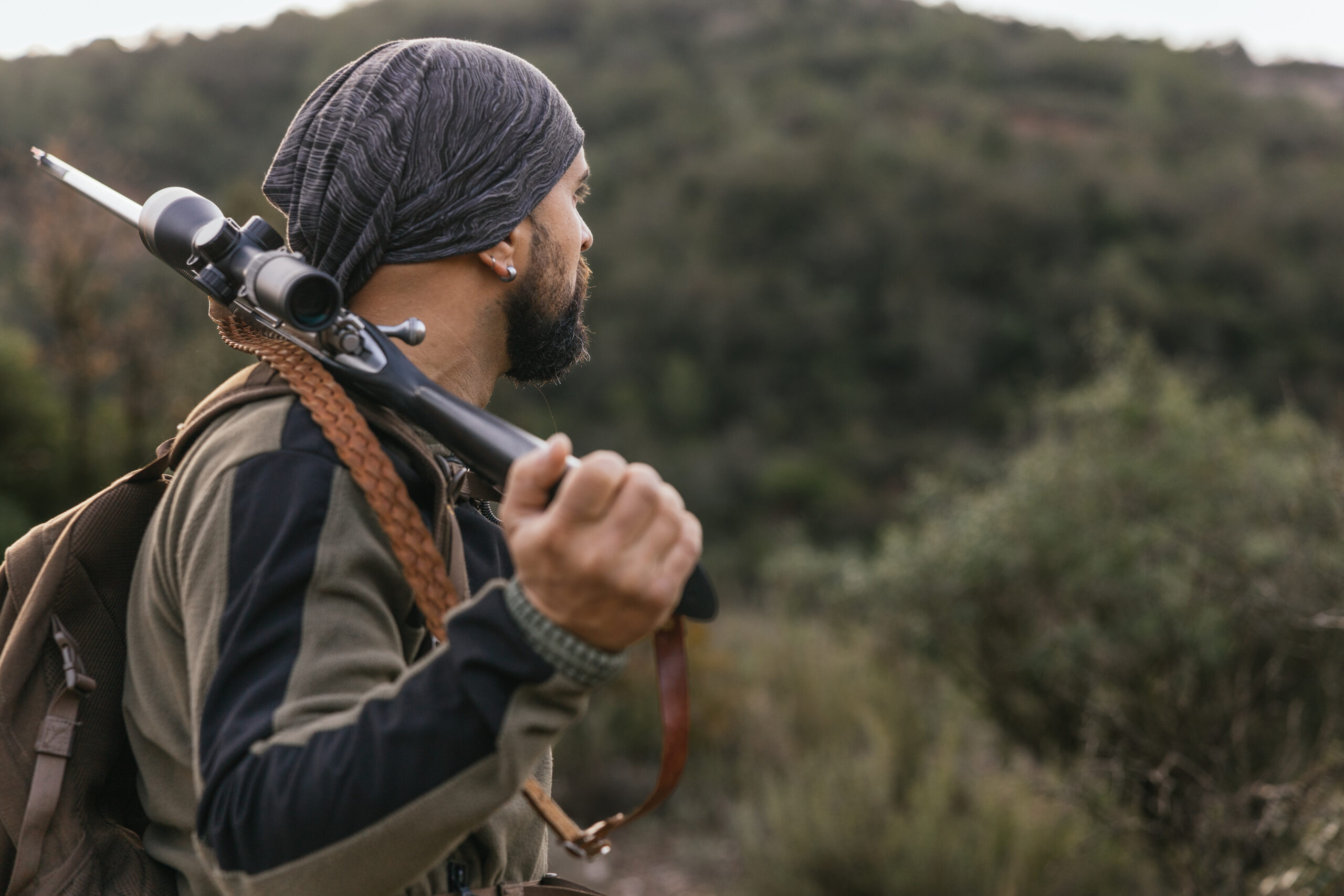
If you’ve never hunted, spring turkey season is one of the most accessible entry points. Many states offer mentored hunts, youth-only weekends, and beginner programs. Maryland opened with a junior hunt on April 11-12, followed by the regular season on April 18. I’m thankful these thoughtful opportunities exist, as the hunting community understands that traditions survive through teaching.
You don’t need to grow up on a ranch to start. You need curiosity, a willingness to learn, and someone to show you the way. That’s how most traditions get passed forward. Shared mornings in the woods, quiet conversations, and the steady repetition of showing up season after season.
Start with your state’s wildlife agency. Most of them run hunter education courses, often online, and they publish clear regulations, species limits, and season dates. Borrow gear before you buy it. Ask questions. Sit with a mentor on a morning hunt before you try to go alone. The learning curve is real, and the community is generous with anyone who shows genuine interest.
I grew up watching my father and the people around him move through the outdoors with skill and ease. That image stays with me. A Black man on his own land, tending to the animals, managing the smokehouse, teaching the next generation how to hunt, fish, and grow food. That’s the image I want more people to carry.
An Invitation
I don’t explain or defend hunting. I practice, share, and invite others into it. The tradition is too old and too important to be treated as controversial. Boiled down, it’s about food and heritage. Importantly, it’s about the stewardship of both. And it is available to anyone willing to learn.
So this spring, as turkey season opens across the country and the woods fill with gobbles at dawn, I want to remind you that this is not someone else’s tradition. It has always been ours. The smokehouse. The wild game recipes. The early mornings. The patience. The pride in bringing food home from the land.
If you’ve been thinking about trying hunting for the first time, this is a good time to start. “Some day” is not a day of the week. And if you’ve been away from it for a while, come back — the turkeys are calling, the woods are open, and there’s a seat at the table.
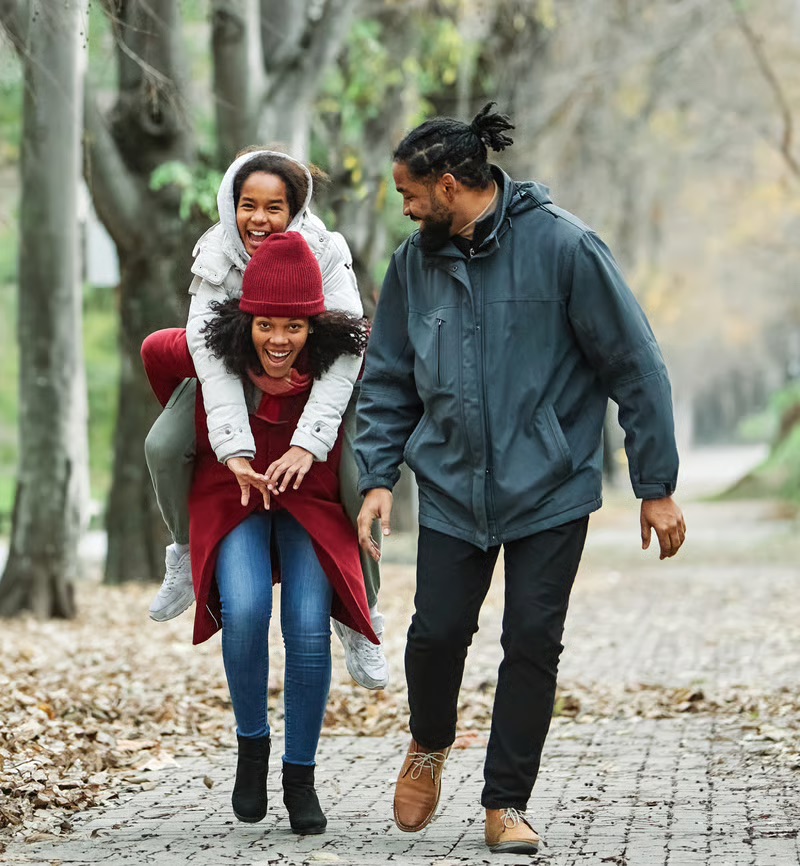
When I think about what I want this season to mean, I come back to the same picture. A family gathered around a meal that came from the land. A mentor passing knowledge to someone who has been waiting for the invitation. A child sitting still in the woods at dawn, learning to listen. Big Oak taught me that these moments are not rare or exceptional. They are the ordinary rhythm of a life lived close to the land, and they belong to anyone willing to step into them.
So light a burner. Season a cast-iron pan. Call a cousin. Walk into the woods before sunrise and see what the morning has to offer. Spring is short, and the gobbles you can follow won’t last all year. Whatever your starting point, there is a place for you in this tradition, and the tradition has been waiting for you all along.