Environmental stewardship begins with everyday choices and a mindset of respect for the natural world. This article explores the principles behind Leave No Trace and how simple actions—like reducing waste, staying on designated trails, and being mindful of wildlife—can help protect outdoor spaces. It also highlights the importance of personal responsibility and community involvement in preserving ecosystems for future generations. By making small, intentional changes in how we interact with nature, we can all play a meaningful role in keeping the environment healthy, accessible, and thriving.
When you visit a trail or a park, do you ever think about what you leave behind?
I’m not just talking about your footprints on the path, but your presence. Your impact. Your relationship to the place.
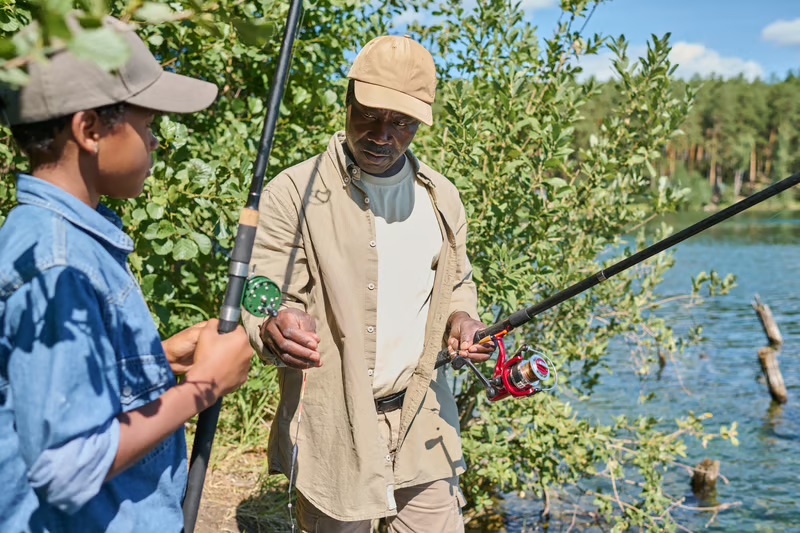
It’s something I find myself thinking about often, whether I’m on a morning walk with my dog, fishing with my grandson, or leading volunteers and participants through an Outdoor Afro outing.
Over the years, one of the values that has guided my life outdoors, my nature heritage, and the work we do through Outdoor Afro, is environmental stewardship.
It’s a simple idea, but a meaningful one: When we spend time on the land, we also have a responsibility to care for it.
And here’s the best part: That responsibility doesn’t require anything complicated. It shows up in small, everyday choices you may not even realize are having an impact.
What Environmental Stewardship Really Means
Some people know this idea as “Leave No Trace.” The phrase itself has become a national movement, complete with guiding principles that have supported outdoor journeys for years.
But I’ve always felt that environmental stewardship goes a little deeper than that.
At its core, it’s about care.
It’s about enjoying nature in a way that protects it at the same time, and moving through places and leaving them just as healthy and thriving as you found them.
And that doesn’t mean you made it better by changing anything about the space. Rather, you made it better because you respected it.
I’ve always believed that’s an important distinction to make. There’s nothing about stewardship that says “control” or “perfection.” It’s always been about awareness and intention.
Respecting the Land Through Simple Choices
When I say “environmental stewardship,” I think it can feel overwhelming to some, especially those who haven’t ever really thought about the way they spend time outdoors. They just do it.
But stewardship doesn’t have to be anything dramatic, time-consuming, or life-changing. It really all boils down to a number of small decisions you make so consistently that they become second nature each time you step outdoors.
Staying on the trail, even when it’s tempting to wander off.Giving wildlife space to exist naturally instead of getting closer for a better look.
Leaving rocks, flowers, and branches where they are, knowing they belong to the space as they are.
These might seem like minor things, but they matter. It reminds me of watching The Lion King with my children when they were younger, and the concept of the “Circle of Life.” Everything in nature is connected in a circle with no end, from the plants and animals to the sun and the breeze.
Plants depend on stable soil.
Animals depend on undisturbed space.
Ecosystems in general depend on balance.
When we move through outdoor spaces with care and intention, we become part of that cyclical balance instead of disrupting it.
One of the ways we ensure we’re moving through spaces with intention is by being prepared to do so. That’s one of the focal points in all of our Outdoor Afro experiences.
Before we step onto a trail, we take time to understand where we’re going, the kind of landscape we’re entering, and the kind of wildlife that might be present. This is how we deepen the experience from the start, because when you understand a place, you move through it differently, becoming more thoughtful in how you show up.
Through that awareness, simple visits to parks and trails begin to turn into relationships.
Stewardship Is Something We Practice Together
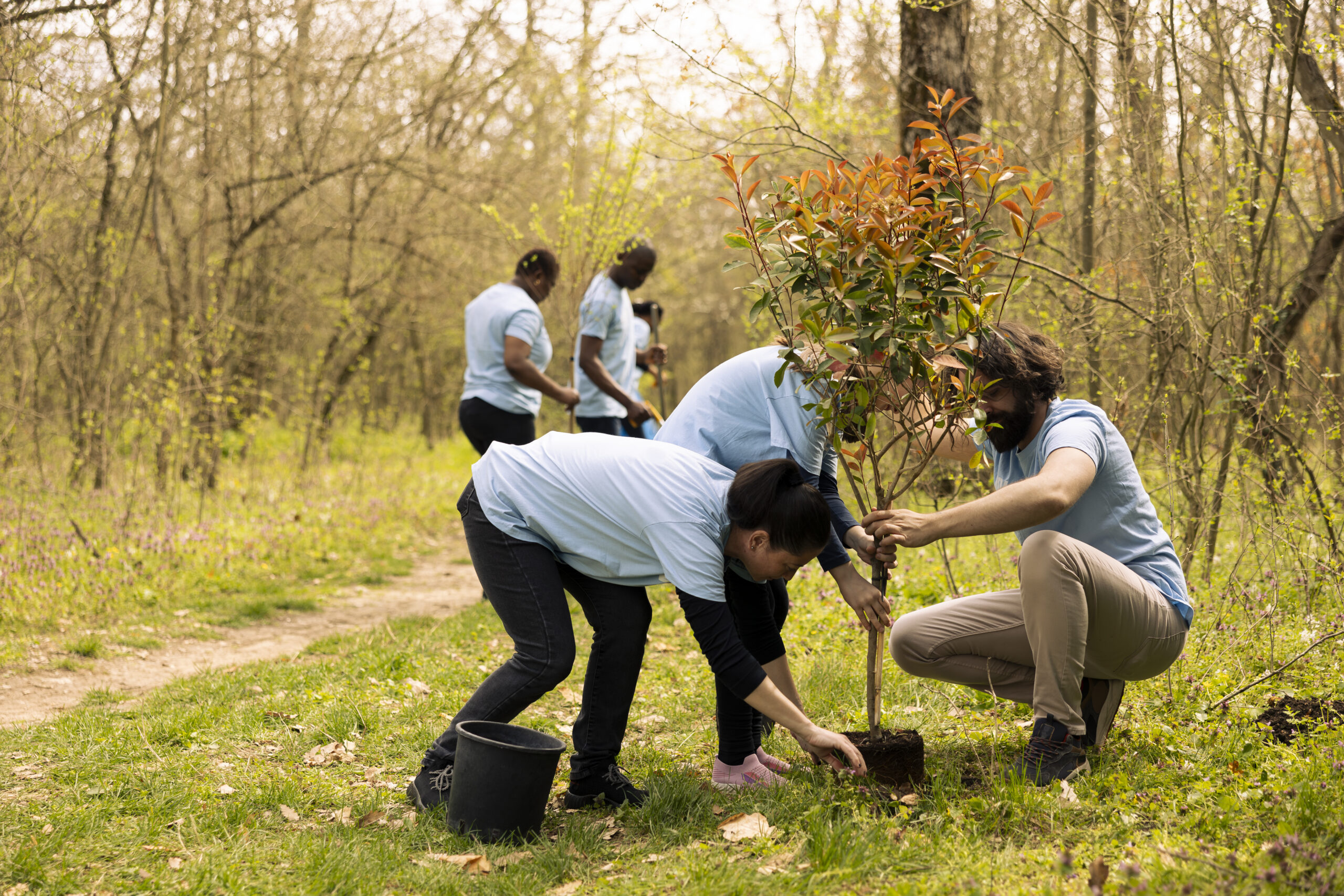
One of the most powerful things I’ve seen over the years is how environmental stewardship grows in community.
When people see others caring for the land, it creates a ripple effect and becomes something shared.
A group of people walking together on a trail.
A family picking up after themselves at a park after a picnic.
Friends reminding each other to stay on the path.
These moments create an environment where care for nature becomes the norm, and it’s not just in isolated events. It becomes a learned behavior that participants carry throughout their lives, even when they’re enjoying nature by themselves.
At Outdoor Afro, we don’t treat environmental stewardship as a separate lesson. We weave it into everything we do so it feels natural, intuitive, and part of the experience itself.
Because it is.
Passing Stewardship Across Generations
My favorite part of environmental stewardship is the ability to share it. Like many other ideas, it’s something we can pass down through generations.
But when I’m outside with my grandson, I’m not giving him a lecture about stewardship. I know that wouldn’t hold his attention, or mine.
Instead, I’m showing him.
We talk about where we step.
We notice the animals around us.
We leave things as we found them.
He’s only six years old, but he’s already learning what it means to move through nature with care, and it’s not forced or complicated. It’s simply part of how we spend time together outdoors.
I think that’s the best way to make these values last beyond just you. They need to be rooted in experiences that create memories and emotional connections.
And I’m not just thinking about what I can pass down, but also what was passed down to me. Every trail we walk on today exists because someone cared for it before us.
Environmental stewardship is really about that long view, and recognizing that we’re part of a continuum.
Remember my Circle of Life analogy?
People came before us and protected these spaces. And one day, others will come after us and experience them too.
Our role is to carry that care forward, so that access, beauty, and the health of the land are sustained for years to come, giving everyone a chance to enjoy them.
Stewardship as an Expression of Care
There’s one more concept I feel very strongly about, and it’s this: Environmental stewardship isn’t about policing people.
It’s about love.
It’s about people feeling their own sense of responsibility for the places they enjoy, because when you feel connected to a place, you don’t want to harm it.
You want to protect it. You want to leave it just as beautiful for someone else.
You can’t force people to care at that level. You have to nurture it.
Conclusion: Leaving a Legacy Through Everyday Actions
The outdoors gives us so much.
It’s a part of my work, but it was part of my life first. It’s always been there as a safe, judgment-free space to breathe, think, and reconnect with myself and others.
Knowing how much nature gives us, and has given us for centuries, the least we can do is give something back.
And it doesn’t have to take much effort. It’s all in those small everyday choices and quiet awareness that carries care and intention through generations.
So the next time you step onto a trail or into a park, take a moment to notice not just what you’re experiencing around you, but how you’re showing up in the space.
Because that’s what really matters, and the impact you make, no matter how big or small, will be around long after you’ve left.