Storytelling is more than tradition; it’s a way of preserving history, transmitting knowledge, and shaping identity across generations. Grounded, specific stories rooted in land, family, and lived experience carry practical lessons about resilience, responsibility, and continuity. By sharing accurate and meaningful narratives, individuals and communities not only honor the past but also equip future generations with the perspective and confidence to carry that legacy forward.
Some stories change how you stand in the world. Not because they are dramatic or polished, but because they are specific. They contain detail and reveal how something was done, why it mattered, and what it required.
The stories that shape us are not decorative. They carry instructions. They tell us who we come from and what we are capable of sustaining.
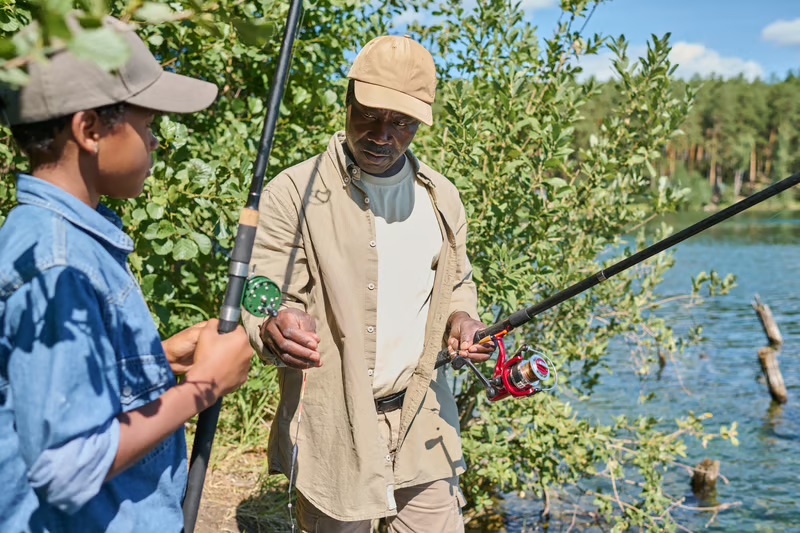
For me, storytelling has always been tied to land, family, and responsibility. In my childhood, stories were practical. They were about paying attention, working with what was available, preparing for the weather, tending animals, growing food, and honoring faith. Land was not scenery. It was part of decision-making.
That kind of storytelling steadies identity. And told honestly, it prepares the next generation.
Story as Inheritance
The first stories I heard came from my parents and extended family. They described farming and ranching life without romanticism. There were lessons about timing, risk, discipline, and humor. There was pride in competence.
I recall fondly stories about my parents’ siblings – how they walked for miles to school in all kinds of weather. Or the simplicity of toys made with items around the house, with a child’s imagination. The joys of fresh fruits and nuts are shared during the holiday season.
An outdoor lifestyle was not framed as unusual for our family. It was ordinary. Skill was expected. Stewardship, and tenacity was assumed.
That understanding mattered. And it shaped how I later viewed conservation work and leadership. Storytelling in our home was not about performance. It was about continuity.
Why Specific Stories Endure
We all recognize the difference between a polished narrative and a real one. Polished accounts smooth over the working details. They simplify complexity and remove tension.
The stories that endure are grounded. They include the ordinary work that made an outcome possible.
When I began Outdoor Afro as a blog. I did not set out to build an organization. I wrote about what I knew: a childhood shaped by land, animals, and practical outdoor life, and a recognition that Black relationships to land in this country were deeper and more continuous than public narratives often suggested.
Readers responded with a simple sentence: “I thought I was the only one.”
That response was not about marketing. It was about recognition. Specificity allowed others to see their own history reflected back with clarity.
Correcting the Record with Accuracy
Mainstream outdoor narratives have often highlighted a narrow slice of American history. Meanwhile, Black farmers, ranchers, anglers, hunters, conservation workers, and land stewards were treated as peripheral.
The correction does not require exaggeration. It requires accuracy.
Black land traditions in the United States are practical, skilled, entrepreneurial, and continuous. They span rural and urban contexts. They include agriculture, enterprise, recreation, and conservation leadership. They are not symbolic. They are documented and experienced.
When fuller histories are shared, imagination expands naturally. People begin to see themselves not as exceptions in outdoor spaces, but as participants in a long tradition of competence and care.
Context shifts posture.
Maturity Changes Meaning
Stories heard in childhood often deepen with time.
What once felt ordinary — harvesting vegetables for dinner, tending animals before recreation, adjusting plans to weather — reveals itself later as generational knowledge.
The story itself does not change. Understanding does.
With maturity comes the responsibility to carry family history forward without distortion. Not inflated or simplified. It’s not about what’s trending, it’s about what deserves respect.
Continuity Through Story
Cultural continuity is built through repetition over time, not through slogans. Families retell how land was worked, how businesses were built, how risks were taken, and managed. Family leaders explain how outdoor life shaped judgment and resilience. Children absorb that steadiness through example.
Identity strengthens when history is told accurately.
The goal is not to invent something new. It is to recognize what has long been present — land, skill, enterprise, faith, adaptation — and to carry it forward with clarity and even pride.
The Responsibility of Telling It Well
Our stories require care. Black land traditions in this country include agricultural intelligence, entrepreneurship, conservation leadership, and rural continuity. That full picture deserves disciplined storytelling.
The next generation does not need abstraction. It needs clarity.
What Will Your Story Teach?
Storytelling is not reserved for public figures. It belongs to anyone willing to speak plainly about where they come from and what shaped them.
The question is not whether you have a story. It is what your story teaches.
Does it demonstrate competence? Adaptation? Responsibility? Enterprise? Faith under pressure?
Our stories preserve history. More importantly, they transmit instruction.
And instruction prepares the next generation to stand firmly in their inheritance — not as newcomers, but as participants in a capable and continuous tradition.
Start with what is real.
Have you ever heard a story that truly moved you? Maybe it brought back a memory you hadn’t visited in years and stirred something quiet inside you. Or maybe it made you rethink what you thought you knew.
That’s the power of storytelling.
When a story feels real, it lingers and settles in. It asks you to listen a little closer while connecting you to something steady.
For me, storytelling has always been tied to land, family, and the way we carry our nature heritage forward. Our stories are not decorations; they’re instructions, memory keepers, and maps.
And when we tell them honestly, they do more than preserve history; they prepare the next generation.