How can guided learning help adults rebuild confidence and reconnect with nature in everyday life? What role does guided learning play in transforming outdoor spaces from intimidating to inviting? Why is guided learning the key to turning one-time outings into lasting relationships with the outdoors?
In this article, readers are invited to rethink their relationship with the outdoors and explore how guided learning can gently reopen the door to curiosity, calm, and confidence. The post reflects on why nature can begin to feel distant in adulthood, crowded out by responsibilities, schedules, and self-doubt, and explains how guided learning removes pressure, perfectionism, and fear. Rather than expecting expertise, guided learning offers structure, encouragement, and community, making it easier for adults to step outside without feeling judged or left behind.
Through personal stories and the work of Outdoor Afro, the blog illustrates how guided learning helps adults move from hesitation to capability, from occasional outings to consistent practice. It emphasizes small, repeatable steps, community support, and the steady rhythm of returning to the same landscapes over time. Ultimately, guided learning becomes more than instruction; it becomes a pathway back to self-trust, belonging, and a lasting connection with nature that ripples outward into families and communities.
When was the last time you went outside and truly enjoyed your surroundings with intention?
Not to run errands. Not to squeeze in a workout. Not to check something off a list. Just to be outside. To notice what’s blooming. To feel the air shift. To hear the birds before you hear your phone.
For many adults, nature starts to feel like something we “used to do” when we had more time and fewer responsibilities. And when we do make it outside, it’s often tied to a task. Walking the dog. Taking out the trash. Getting steps in. We forget that nature can also be a place for joy, calm, and curiosity.
Rediscovering the outdoors as an adult isn’t about going backwards. It’s about coming home to a part of yourself that never truly left. That’s part of our nature heritage, that quiet relationship with land, seasons, and everyday beauty that has shaped people for generations.
And the good news is, you don’t have to be an expert to return.
Why Nature Feels Distant in Adulthood
One of the biggest shifts in adulthood is that outdoor time becomes something we plan for rather than something we live in.
As kids, many of us spent time outside without thinking twice. We played, wandered, and noticed things without needing a reason. But as adults, nature often gets pushed to the margins of life.
Schedules fill up, our work stretches longer, family responsibilities pile on, and digital distractions become constant. Even when we do step outside, our minds often stay inside thinking about emails, errands, deadlines, or what we forgot to do.
That’s why guided learning matters so much. It helps adults re-enter outdoor spaces without pressure, without perfectionism, and without the feeling that they already need to know.
Common Fears Adults Carry Into Outdoor Spaces
Adults don’t always say it out loud, but many people carry fear into nature.
A lot of adults worry they won’t be able to keep up. They worry they won’t know what to do, and that they’ll feel out of place.
Some people have quiet fears about safety. Others worry they don’t have the right gear, the right shoes, or the right experience.
What I hear most often is, “I don’t want to slow everyone down.”
That tells you everything. Someone wants to be outside, but they don’t want to be judged while they’re trying.
This is where guided learning becomes powerful. It removes the idea that nature is a performance, and it turns outdoor time into something supportive, steady, and human.
The Power of Guided Learning in Nature
When people hear the word “learning,” they often think of school. They think of being tested. They think of getting something wrong.
But learning in nature is different.
Learning in outdoor spaces simply means someone is helping you return to something you already have access to. Someone is helping you take the first step toward creating structure so you don’t have to figure it out alone.
It means you don’t have to show up with all the answers, you don’t have to know every trail name or plant species, and you don’t have to pretend you’re confident when you’re not.
The outdoors becomes less intimidating when someone is there to say, “Here’s where we’re going. Here’s what to expect. Here’s how we’ll move. Here’s what we’ll do if someone needs a break.” And slowly, that uncertainty starts to soften.
Community as a Confidence Builder
Community or fellowship changes everything.
When you see people who look like you, move like you, and ask the same questions you have, it lowers the pressure to be perfect. It also makes outdoor spaces feel more real.
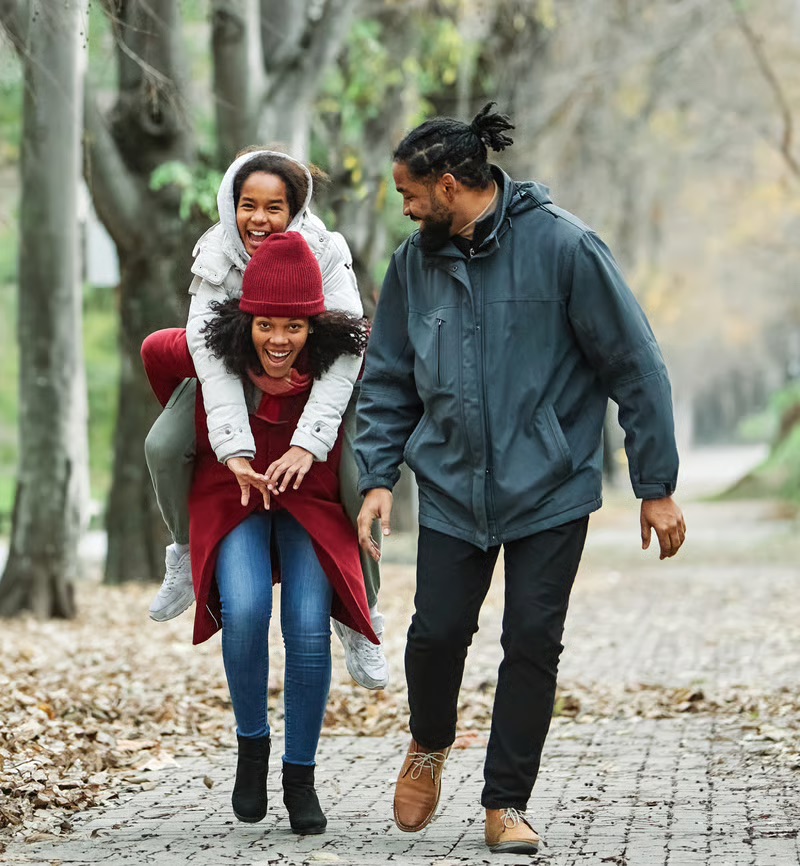
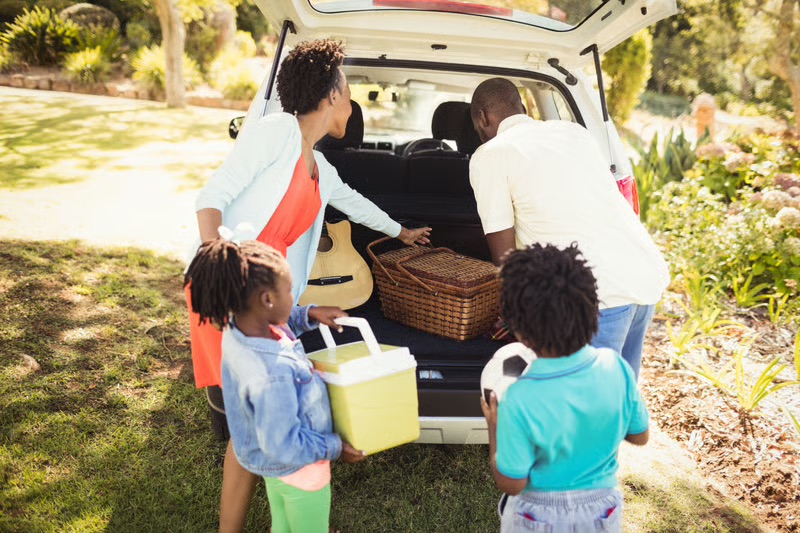
Outdoor Afro creates spaces where adults and children can learn together, laugh together, and build trust together. That kind of fellowship makes trying something new feel possible.
People don’t just gain skills. They gain comfort, ease, and a sense that they’re not alone in what they’re learning.
That’s why guided learning works so well in groups. It creates room for every pace, every personality, and every starting point.
Small Steps That Reopen the Door
Sometimes adults think rediscovering nature has to start with something big. A long hike. A national park. A major trip.
The most lasting outdoor habits actually start small.
It can begin with a walk around your neighborhood without headphones, sitting in a park without rushing or noticing seasonal shifts.
You can also use tools to help build familiarity. Apps that identify local birds and plants can make the outdoors feel like a living classroom. It turns your neighborhood into a place of discovery.
There’s a big difference between taking a hike once and building a relationship with nature.
One-time outings can be beautiful, but they don’t always change your life. What changes your life is repetition.
This is something I’ve learned personally. Water has always brought me calm. Rivers, lakes, and coastal areas help me slow down and observe rather than react. I discovered many of these places through work with Outdoor Afro, but they became personal touchstones over time.
There’s something grounding about returning to the same landscape again and again.
That’s one of the goals of guided learning: helping people move from “I tried this once” to “This is part of my life.”
Rediscovering Capability and Self-Trust
One of the most beautiful things about adults returning to nature is the way it affects their confidence.
Adults often underestimate themselves. They assume their bodies can’t do what they used to.
But I’ve watched people arrive convinced they could only walk a few minutes, only to finish an entire hike with a huge smile and a new sense of confidence. And the surprise is rarely just physical.
The greater surprise is realizing they are capable of more than they believed, especially when they feel supported.
Not through force. Not through pressure. But through steady encouragement and small wins.
I once walked with a woman who had not been on a trail in decades. She’d gone through a difficult season in life. At the beginning of the hike, she stayed close to me. She kept saying she might turn back. She wasn’t sure she could finish.
But step by step, something shifted.
By the end, she was pointing out birds. She was asking when the next hike would be.
That’s why guided learning matters. It creates a path back to the outdoors and to the parts of ourselves that get quiet when life gets loud.
What People Often Overlook About Nature’s Calming Power
One of the most overlooked aspects of nature is how accessible it is.
Many people assume they need a grand adventure or a distant destination to feel restored. In reality, nature steadies the mind because it operates on rhythms that are older and slower than our schedules.
The outdoors also offers something rare: a judgment-free space.
You don’t have to explain yourself or prove anything. You don’t have to perform; you can simply exist. That quiet companionship can be grounding in uncertain times.
And guided learning can help people access that feeling sooner, especially if they’ve been away from nature for a long time.
How Outdoor Afro Helps People Build Consistency
Outdoor Afro has always been about more than single outings. We focus on guided learning, not just one-time experiences. Our trip volunteers help participants build simple skills, routines, and confidence so that nature becomes part of everyday life rather than a special event.
And over time, people begin to see parks, trails, and water as places they return to. That’s where the real transformation happens.
Once people start returning, they begin inspiring new habits and engagement in their own networks. They invite friends. They bring family. They organize their own walks. They lead in their own way.
This is one of the reasons Outdoor Afro matters. It’s not just about one person going outside. It’s about building a culture where outdoor life feels normal, steady, and shared.
Gentle Ways to Begin When You Feel Overwhelmed
If you’re trying to figure out how to start, my advice is to start small and stay consistent.
Step outside for a few minutes each day. Take a short walk. Sit quietly and observe what’s around you. Pay attention to light, sound, and movement.
Let go of expectations around time, effort, or outcomes.
You don’t need a perfect plan. You don’t need the perfect outfit. You don’t need to be in peak condition. You just need to begin.
Guided learning takes the pressure off. It helps you show up with curiosity instead of self-judgment.
Returning Home to Nature
Rediscovering nature as an adult is a reconnection.
Nature is steady and patient. It’s not asking you to be anything other than present. You just have to show up.
Every time an adult rediscovers that joy, confidence, and calm outdoors, it ripples. And their kids, their neighbors, and their whole community start to follow.
So, here’s my encouragement. It’s never too late to start your own outdoor practice. Step outside. Notice something new. Let nature teach you something new.
And if you want help returning, there is always room for you at every pace through guided learning, and Outdoor Afro is here to help.