How does seasonal living help us reconnect with nature’s cycles and rediscover gratitude in everyday meals? What role does seasonal living play in ethical food sourcing and sustainability through wild game and local harvests? Can embracing seasonal living deepen our sense of wellness, mindfulness, and belonging to the natural world?
This blog explores how aligning our eating habits with nature’s rhythms can nourish both body and soul. Through the lens of hunting, harvesting, and mindful cooking, the author reflects on how seasonal living transforms food into a story of connection—between land, heritage, and community. Whether savoring wild game, supporting local farmers, or celebrating the changing seasons, the piece highlights how living in tune with nature invites gratitude, flavor, and purpose back to the table.
Beyond cuisine, the blog invites readers to see seasonal living as a wellness practice—a mindful rhythm that mirrors the natural cycles of renewal, abundance, reflection, and rest. It’s about slowing down, sourcing ethically, and honoring the balance between giving and receiving. In every harvest, meal, and quiet moment, seasonal living reminds us that we are not separate from the land; we are part of its unfolding story.
When I think about the meals that I prepare, time in my garden, and hiking through the woods, I’m reminded that those moments are an invitation to relish in the rhythm of the seasons. There’s something magical about the way the earth turns. Spring, summer, autumn, and winter: when we give ourselves time to slow down and notice these changes, we realize that we’re not just observing from the outside; we’re part of the land’s unfolding story.
There’s a subtle joy that comes over me when I eat fruits, vegetables, and meats that grow or walk according to nature’s seasons. There’s nothing quite like it. It’s a way of belonging; it’s part of our nature heritage.
Each season brings its own unique lesson. Spring teaches renewal, summer ushers in abundance, autumn calls for reflection, and winter signals rest. I’ve learned that listening to these lessons helps me feel more aligned in my life. Food that grows in its own season not only tastes better, but it feels better.
All of us have an understanding that our modern way of living disconnects us from the seasons and from where our food comes from. It robs us of more than just flavor. There’s something deeply grounding about knowing where your food comes from and honoring the care that went into raising it.
The Essence of Seasonal Living
Eating seasonally means living in harmony with the natural world. Truly, the joy of seasonal living is celebrating the food that comes directly from the land, and lately, I’ve been savoring every bite.
I recently went in with a friend to buy a whole beef and a whole lamb from local farmers. Not only is the meat delicious, but I also know that it was humanely raised, grass-fed, and is free from the chemicals and hormones often found in store-bought sources. When you buy from a local farmer who raises animals humanely or grows vegetables without chemicals, that farm becomes part of your story, and you become part of theirs.
When you know where your food is coming from, how it’s grown and harvested, each meal becomes richer. That knowledge keeps us anchored; it’s a constant reminder that we’re not separate from the land. Supporting your local market or farm stand isn’t just about making a purchase; it’s about participating in and celebrating your community.
But the truth lies within the food; seasonal food is fresher, more nutritious, and far more flavorful. When you become better acquainted with your local farmers, you can ask questions about the soil, how the animals are fed, and about the cycles of the land.
Wild Game: Flavorful Connection to Heritage
With duck season right around the corner, I’m especially looking forward to enjoying mallards, teal, and pintails! Each new season, I’m reminded how wild game connects us to heritage, sustainability, and the natural world.
Beyond duck, there’s venison, turkey, and pheasant; each species has its own unique flavor. Duck is rich and flavorful, venison is lean and slightly sweet, turkey is earthy and robust, while pheasant is mild and delicate. In many cultural traditions, wild game isn’t exotic; it’s familiar and sacred.
If you haven’t tried wild game cuisine, I encourage you to experience the range of flavors representing a depth and variety you won’t find from a store butcher. You can literally taste the texture of wild forage within the meat itself.
Often, when I share stories from my childhood, I reminisce about family hunts, the recipes handed down through time, and the joy of sharing nature’s bounty around a crowded table. This cuisine is tradition on a plate.
The Joy of the Hunt and Harvest
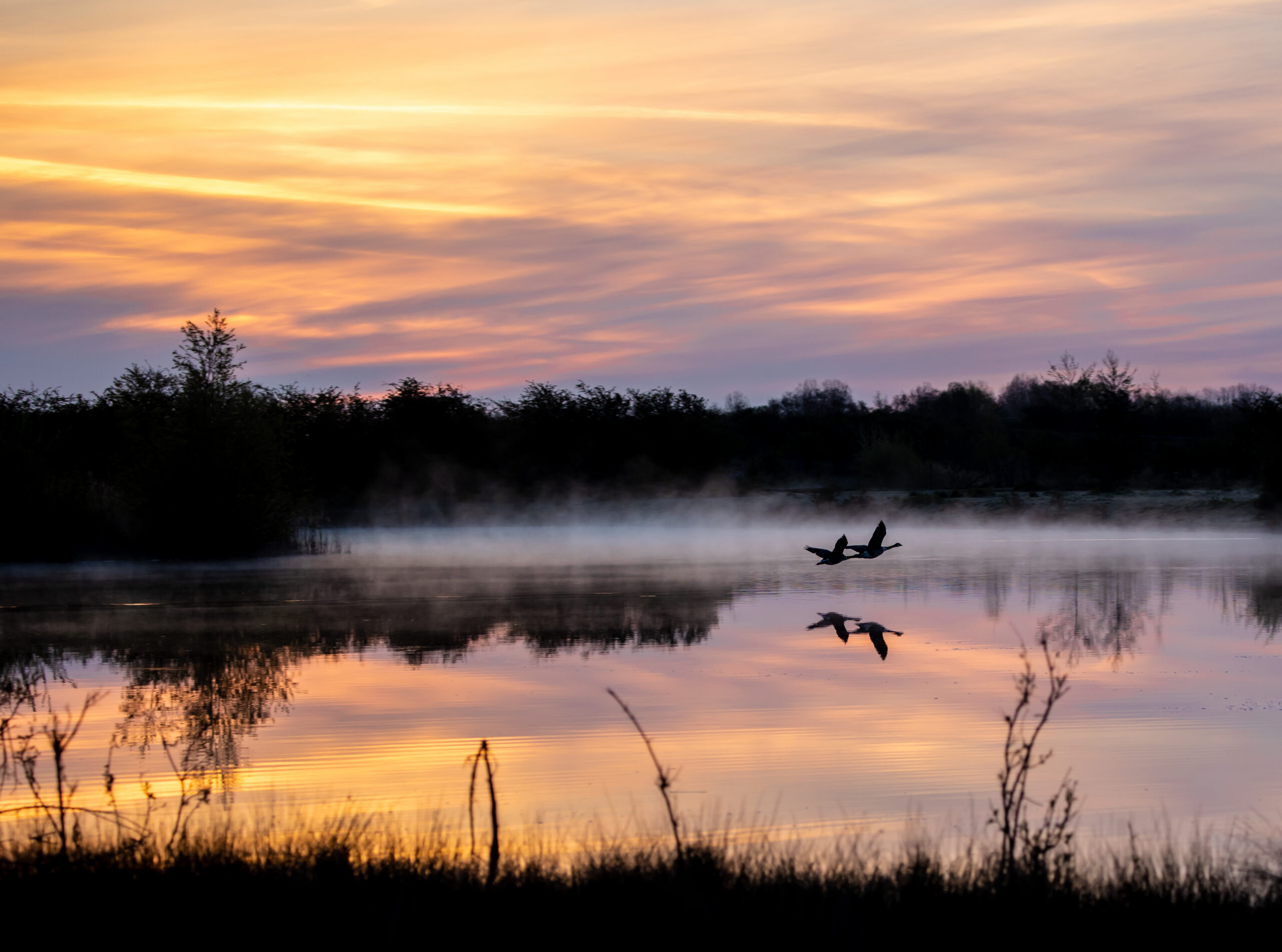
When you’re in the woods hunting at dawn, there’s a crispness in the air, a light chill in the wind, and a perfect stillness. It’s almost like the world is holding its breath. In that calm and quiet, you become one with nature itself.
The rhythm of your heartbeat and the steady inhale and exhale of your breath keep pace with the natural cadence of the land. The rustle of leaves, the quiet movement of the water, and the faint whisper of the wind through the branches. Moments like these are a great privilege. With each breath, I am aware of the precious gift that I get to experience.
Hunting is an act of respect and reverence for the cycle of life. It’s not solely about the harvest but also the connection with the natural world that comes with the pursuit.
What does it mean to hunt responsibly? It’s paying attention to the seasons, natural patterns, laws, and ethics. These are lessons in seasonal living, learning when to act and how to act. Nature teaches us that there’s a time for everything: a time to sow, a time to harvest, and a time to rest and give back.
Hunting with gratitude in our minds and hearts honors the animals we harvest alongside the earth that has nourished them. I like to think of it as a dialogue between you and the land. One that’s rooted in care and balance. So, when harvest comes, remember this: take only what you need and give thanks to the land that provides so much for us.
Sustainability and Ethical Sourcing
When appropriately managed, wild game harvesting becomes part of a broader work of wildlife management. Hunters help balance animal populations and reduce overgrazing or habitat damage, while harvesting nutritious food, reducing their carbon footprint, and deepening their relationship with the natural world.
Choosing grass-fed, chemically free meats over store-bought meats is just one step toward mindful consumption; choosing ethically and locally harvested wild game is another step. With each step we take, we become less dependent on factory farming and global supply chains. This local connection is what seasonal living is all about: partaking in nature’s cycles and not overpowering them. When approached thoughtfully, wild game tells a story, with flavors and textures directly influenced by the land and the seasons, allowing us to create meals that taste like a place and a time.
Exploring Wild Game Flavors
When you eat wild game, you’re expanding your plate with experimentation and humility. Since many of the game meats have different textures and tastes, they may require different cooking methods than the ones you’re used to. Some are slow-braised or low-and-slow smoked. It’s where flavor and patience meet. You can taste the difference between food that’s rushed and food that’s simmered slowly and marinated well.
I recommend pairing wild meats with seasonal produce, such as pears and apples, root vegetables, or greens, and using herbs you’ve grown or foraged, and adding aromatics like sage, garlic, and citrus. The key is to allow the seasonings to complement the meats without overpowering their flavor through over-saturation of seasoning. This is seasonal living at its finest. Each spoonful of food represents a dialogue between land and table.
Deep down, I believe that everyone wants to experience the joy, belonging, and beauty that nature provides. It’s the ultimate platform for people to discover experiences that enable them to connect with one another and the natural world, with all its life-changing possibilities.
Nourishment Beyond the Plate
Oftentimes, beyond the seasons, when harvest is finished and the fields are resting, I find myself quiet. In those in-between times is when I have the most profound reflective moments. I celebrate those gentle pauses because they teach me something that is the most challenging lesson to grasp: stillness.
Living in rhythm with nature is an exercise in mindfulness, noticing, pausing, and breathing. This type of seasonal living isn’t a trend; it’s an actual wellness practice. As the seasons change, and the light starts to shift, while the soil is taking a break, we also shift. Learning to adapt to these shifts is how I’ve been able to manage the many different transitions in my personal life and in business.
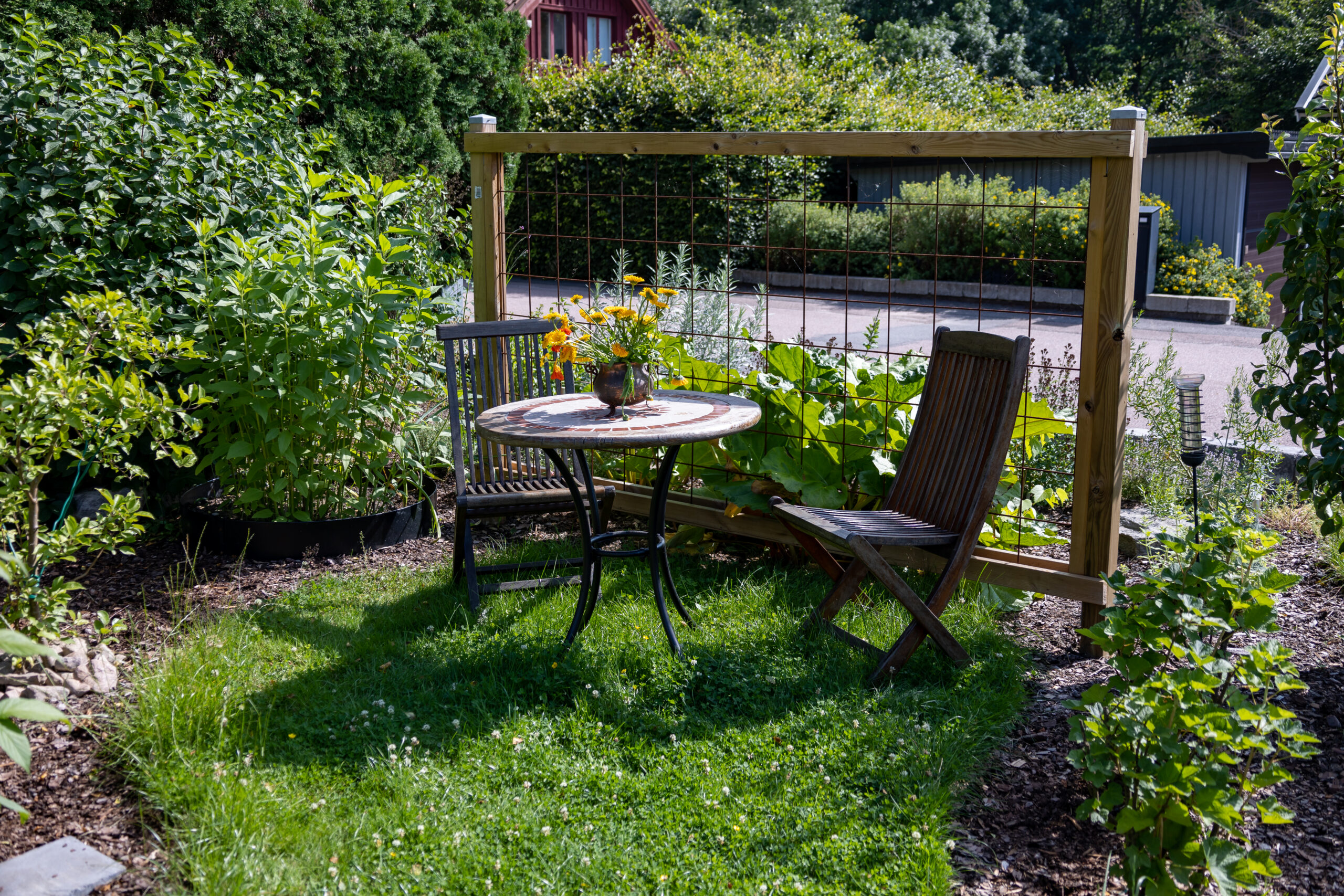
This way of life nourishes not only the body but also my mind and spirit. When I take walks with my dog around the neighborhood or feed the chickens in my backyard, I look around, and I’m reminded that my meals come right from my garden and fields nearby.
Food has been a gateway to connection since the beginning of time. It connects us to the land, the seasons, and our ancestors. Farm-to-table is a common phrase, but I prefer to think of it in terms of relationship-to-table. Eating with awareness makes us part of a nature story.
Closing
This rhythm of nature (planting, growing, harvesting, and resting) mirrors the rhythms of our lives. Think about it. There are seasons where we’re working and creating. Then there are those seasons when we’re quiet, listening, and feeling gratitude for the position that we’re in. Alignment with that cycle brings understanding that balance isn’t something to be chased; it’s something that we can return to.
Wild game and seasonal foods always remind me of that return. To me, each meal is a small ceremony that reminds me that what nourishes me and my family comes from the relationship I have with the land, not convenience. Being part of this natural cycle is how we can say thank you to the land, the animals, the farmers, and the labor that goes into making each dish possible.
And that’s the true heart of seasonal living: honor what each season provides and let it teach us how to live more intentionally. In this practice, food is more than sustenance; it’s a story, a connection, and a celebration.
As one of my favorite seasons approaches, and the air turns crisp as the leaves fall from the trees, I carry this appreciation forward. Whether meat from the wild or produce from the farm, it all ties us to ancient traditions.
When we lace up our boots for a hike, explore our local parks, or gather around the table, remember that we’ve always been welcomed in nature. Our role is to honor it and bring our whole selves into the nature cycle season after season.